0% Intro APR for 15 months on purchases and b… Citi Strata℠ Card Calculators How we make money
VOATLAS
How to Book a Trip to Chilean Patagonia

How to · Travel

How to Book a Trip to Chilean Patagonia

See the massive blue glaciers and jagged peaks of Patagonia without wrecking your monthly budget.

Typical cost $4,500 before anything else
Across the 0% window $250.00/mo 18 months, no interest

How we got that: $4,500 spread evenly across the 18-month introductory window on the Citi Simplicity® Credit Card. Checked · at the bank Carry a balance past the window and the standard APR applies to what is left.

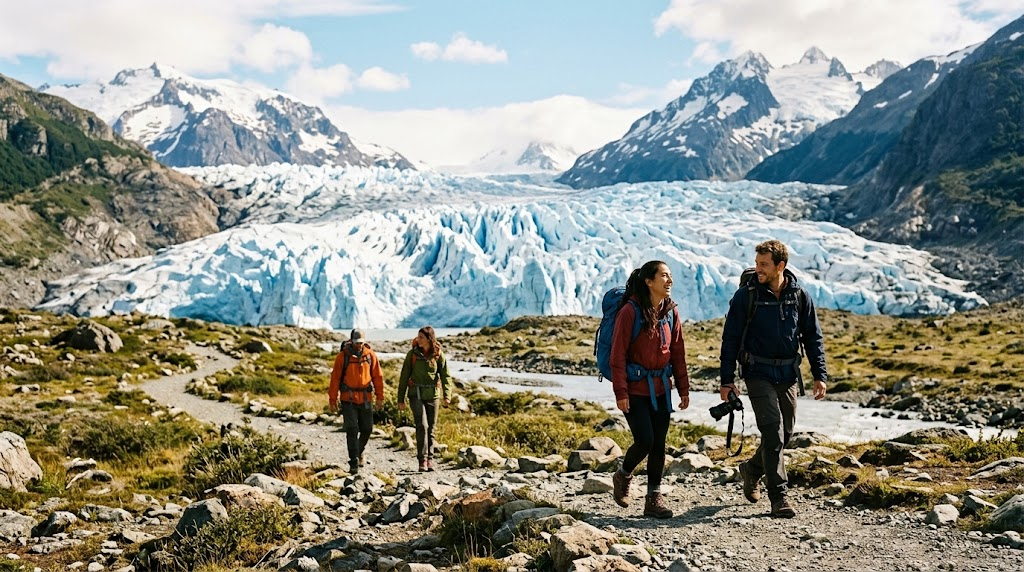
Patagonia is all about massive blue glaciers calving into freezing water, jagged granite towers scraping the sky, and wind that makes you lean at a forty-degree angle. You want to give yourself plenty of time down there to actually hike and take it all in, which means you are looking at a serious travel investment.

A typical trip runs about $4500 once you factor in flights, gear, transport, and places to stay. Since booking airfare at least four months in advance is the bare minimum for snagging decent flight times down to South America, we need a solid plan to handle the upfront costs.

That 18-month window is a hard deadline, not free money, and any leftover balance when it ends will trigger regular interest charges on what you owe.

The steps

  1. 01

    Book your flights early

    Lock in your airfare at least four months in advance to avoid getting squeezed by late-booking price spikes. International routes to Santiago and down to Punta Arenas fill up fast during the peak summer season. Grab your seats as soon as your dates are set.

  2. 02

    Map out your lodging

    Decide whether you are staying in refugios along the W Trek or booking hotels in Puerto Natales. Popular spots inside Torres del Paine book out nearly a year ahead. Nail down your beds before you touch your transport details.

  3. 03

    Spread the cost

    If you are using the Citi Simplicity® Credit Card, you get 0% for 18 months on purchases and balance transfers from date of account opening to help manage the cash flow. If you split that $4500 across the intro window on purchases, you are looking at about $250.00 per month.

  4. 04

    Gear up for the weather

    Patagonia weather changes every ten minutes, swinging from blazing sun to horizontal rain. Spend your money on a truly waterproof shell and sturdy, broken-in boots instead of trendy gear. Test everything at home before you leave.

  5. 05

    Buy local transit

    Book your buses between Punta Arenas, Puerto Natales, and the park entrance ahead of time. Seats on the main tourist shuttles disappear quickly during peak months. Keep backup cash handy since card machines can fail out in remote areas.

  6. 06

    Check the card terms before you commit

    Every figure we publish for the Citi Simplicity® Credit Card carries the date a person verified it against Citi and a link to where they checked. Intro windows and APRs change without notice, so confirm the current terms before applying.

    See Citi Simplicity® Credit Card terms →

Common questions

When is the best time to visit Chilean Patagonia?

Go between November and March, which is the Southern Hemisphere summer. The weather is as mild as it gets down there, and the trails are actually open. Just expect heavy wind no matter what month you pick.

How do I get to the glaciers?

Most travelers fly into Santiago, catch a domestic flight down to Punta Arenas, and take a long-distance bus up to Puerto Natales. From there, you catch another shuttle right into Torres del Paine National Park to see the Grey Glacier and the Cuernos.

Do I need to carry cash in Patagonia?

Yes, always keep some Chilean pesos on hand for small shops, tips, and remote bus rides. While lodges and larger restaurants take cards, internet connections drop out frequently in the park.

Is Patagonia safe for solo travelers?

It is generally very safe for solo hikers, especially along the main established trekking routes like the W Trek. The biggest dangers down there are purely environmental, like sudden weather shifts and rugged terrain.