0% intro APR for 15 months on purchases and b… Discover it® Cash Back Calculators How we make money
VOATLAS
How to Budget for a Smart Thermostat

How to · Home

How to Budget for a Smart Thermostat

Upgrade your home heating and cooling with a smart thermostat without blowing your monthly budget.

Typical cost $250 before anything else
Across the 0% window $13.89/mo 18 months, no interest

How we got that: $250 spread evenly across the 18-month introductory window on the Citi Simplicity® Credit Card. Checked · at the bank Carry a balance past the window and the standard APR applies to what is left.

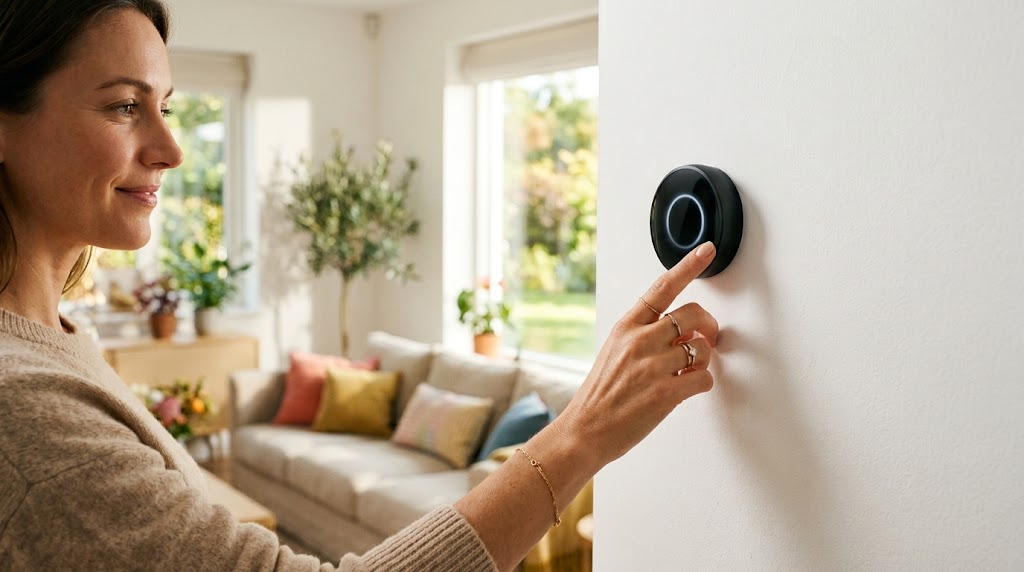
Your living room gets a quiet upgrade once a smart thermostat is on the wall, learning your schedule and cutting wasted heat while you sleep. The physical swap takes about thirty minutes of wiring, and booking it during the shoulder season of spring or fall usually means quicker appointments and better utility promotions.

Before you commit to a single price, get more than one quote from local electricians or HVAC techs so you know what the labor should actually cost. Pair those estimates with whatever instant rebates your local power utility is currently running on their website to lower your upfront material costs.

Remember that the 0% intro window is a strict deadline, not free money, and any remaining balance left over when those 18 months end will start getting hit with regular interest charges.

The steps

  1. 01

    Check utility rebates first

    Head to your local power company website and look up their energy-saving hardware rebates. They often knock fifty bucks or more off the purchase price instantly or via a quick online claim form.

  2. 02

    Get two local quotes

    Call a couple of local handymen or HVAC pros to ask what they charge just to swap the unit. A standard digital-to-smart upgrade is usually a quick job, so make sure nobody tries to bill you for a full diagnostic visit.

  3. 03

    Factor in the typical US cost

    A standard programmable thermostat installation runs about $250 total for the hardware and basic labor. Knowing that baseline keeps you from overpaying for a unit loaded with features you will never use.

  4. 04

    Use the Citi Simplicity card term

    If you want to space out the cost, you can put the purchase on the Citi Simplicity® Credit Card, which offers 0% for 18 months on purchases and balance transfers from date of account opening. Spreading that $250 across the intro window on purchases comes out to about $13.89 per month.

  5. 05

    Set up your schedule

    Once it is wired, spend ten minutes programming your actual weekly routine into the app. Skip the complex geo-fencing if your schedule is steady, and just set hard setbacks for when you are away or asleep.

  6. 06

    Check the card terms before you commit

    Every figure we publish for the Citi Simplicity® Credit Card carries the date a person verified it against Citi and a link to where they checked. Intro windows and APRs change without notice, so confirm the current terms before applying.

    See Citi Simplicity® Credit Card terms →

Common questions

Can I install a smart thermostat myself?

Yes, if your current setup has a C-wire (common wire) for power and you are comfortable turning off the breaker. If your wiring is old or lacks that extra wire, paying a pro saves you from frying your HVAC control board.

Do smart thermostats really save money?

They mostly save money by making sure you do not heat or cool an empty house. If you already kept a strict manual schedule, the savings will be small, but if you constantly forget to adjust the dial, you will see a drop in your energy bill.

What if my utility rebate requires a specific model?

Always check the approved product list on your power company site before you buy anything. Buying an unapproved model means you will miss out on the instant or mail-in rebate.

What happens if I do not pay off the $250 in 18 months?

Whatever portion of that $250 is still sitting on the card when the 18 months expire will start accruing interest at the standard variable rate.