0% Intro APR for 15 months on purchases and b… Citi Strata℠ Card Calculators How we make money
VOATLAS
How to Budget for a Wood-Stove Installation

How to · Home

How to Budget for a Wood-Stove Installation

Get your home ready for winter by installing a wood-burning stove during the summer off-season without draining your savings.

Typical cost $3,800 before anything else
Across the 0% window $253.33/mo 15 months, no interest

How we got that: $3,800 spread evenly across the 15-month introductory window on the Discover it® Cash Back. Checked · at the bank Carry a balance past the window and the standard APR applies to what is left.

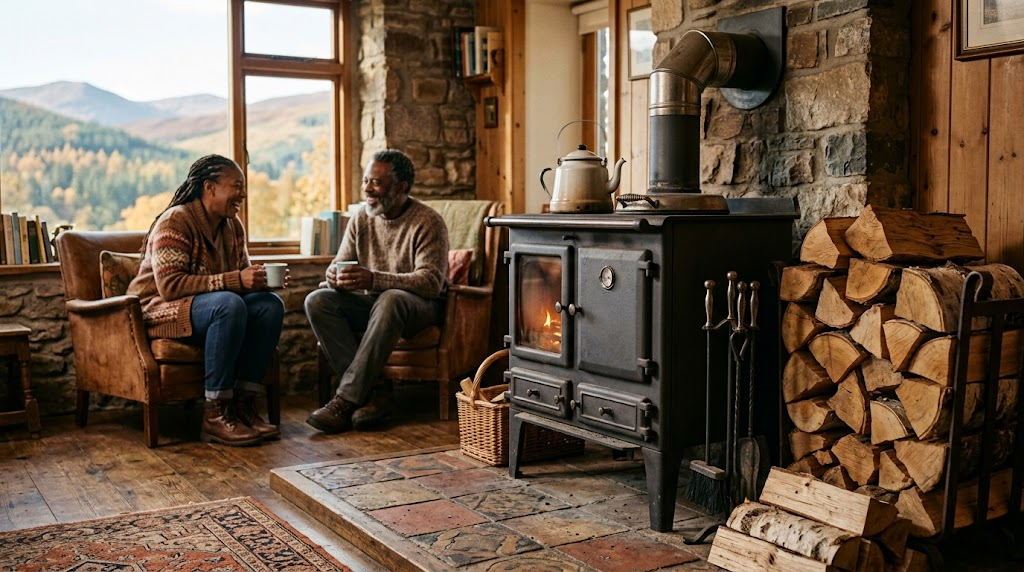
Imagine skipping the winter heating bill spike and warming your living room with actual firewood instead. The physical installation usually takes just a day or two, but the prep work starts months earlier. Booking a local technician in early summer gets you off-season rates before the autumn rush hits and contractors get too busy to negotiate.

A standard setup runs about $3,800, which includes the stove, chimney pipe venting, and labor. To make this happen without a massive upfront hit to your checking account, we can break that cost down into manageable monthly chunks during the warm months.

Keep in mind that the intro window is a strict deadline, not free money. If you still have a balance left when the 15 months run out, the regular interest rate kicks in on whatever is left, which will quickly erase your summer savings.

The steps

  1. 01

    Get three local quotes

    Do not just hire the first contractor you find online. Ask at least three local pros for detailed estimates that include both the stove and the chimney liner. Doing this in June or July gives you leverage to negotiate lower labor costs because their schedules are wide open.

  2. 02

    Check your local burning laws

    Some towns have strict environmental guidelines on emissions or require specific permits before you put a pipe through your roof. Call your local building department first to avoid fines. Your installer should handle the permit pull, but you need to make sure it is written into the contract.

  3. 03

    Spread the cost safely

    If you put the $3,800 project on the Discover it® Cash Back, you can use its 0% intro APR for 15 months on purchases and balance transfers to pay it off slowly. That works out to $253.33 per month. You get the stove installed now without paying interest while you chip away at the bill.

  4. 04

    Source your firewood early

    Freshly split wood is too wet to burn and will clog your chimney with dangerous soot. Buy your firewood during the summer so it has at least six months to dry out. Look for seasoned hardwood like oak or maple for the best heat output.

  5. 05

    Schedule the final safety inspection

    Before you light the first fire in October, you need a sign-off from your local building inspector. This keeps your home insurance valid. Send a copy of the passed inspection to your insurance agent immediately so they can update your policy details.

  6. 06

    Check the card terms before you commit

    Every figure we publish for the Discover it® Cash Back carries the date a person verified it against Discover and a link to where they checked. Intro windows and APRs change without notice, so confirm the current terms before applying.

    See Discover it® Cash Back terms →

Common questions

Can I install a wood stove myself to save money?

It is not a good idea. Professional installation ensures your venting meets local fire codes and keeps your home insurance policy active. A single DIY mistake can lead to dangerous house fires or carbon monoxide leaks.

How much does a cord of wood usually cost?

Prices vary by region, but seasoned hardwood typically runs between $200 and $400 per cord. Buying it in the summer is usually cheaper than waiting until the first snow forecast.

Does a wood stove actually lower utility bills?

Yes, if you use it to zone-heat the rooms you spend the most time in. It allows you to turn down your central thermostat while keeping your main living space warm.

What is the difference between a wood stove and an insert?

A freestanding wood stove sits out in the room and radiates heat from all sides. An insert is designed to fit directly inside an existing brick fireplace to make it more efficient.