0% intro APR for 15 months on purchases and b… Quicksilver Rewards Calculators How we make money
VOATLAS
How to Budget for an Under-Sink Reverse Osmosis System

How to · Home

How to Budget for an Under-Sink Reverse Osmosis System

Get clean water straight from your tap without draining your savings by timing your purchase with spring hardware sales.

Typical cost $450 before anything else
Across the 0% window $25.00/mo 18 months, no interest

How we got that: $450 spread evenly across the 18-month introductory window on the Citi Simplicity® Credit Card. Checked · at the bank Carry a balance past the window and the standard APR applies to what is left.

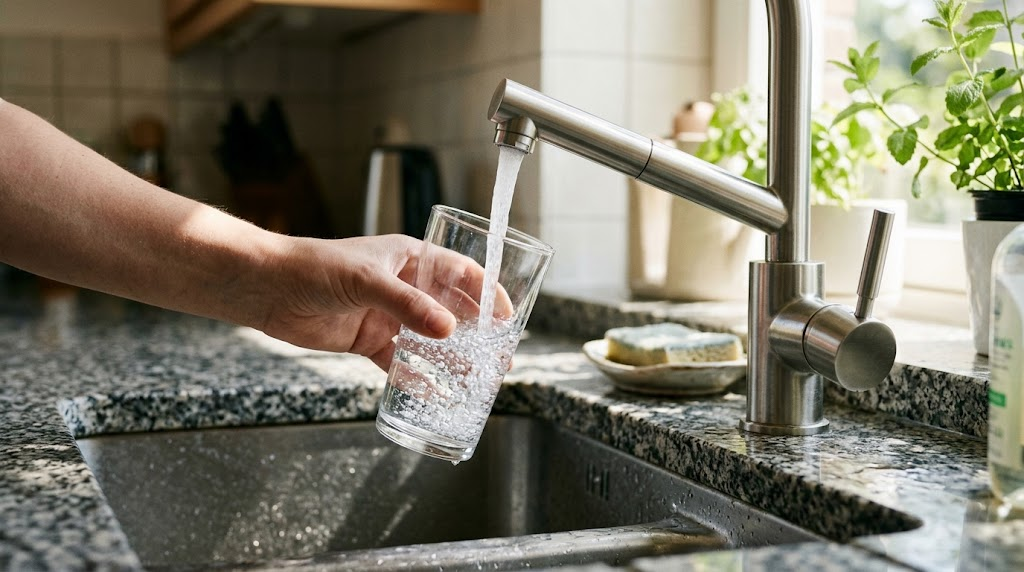
Imagine pouring a glass of water straight from the kitchen tap and actually wanting to drink it because all the weird taste and cloudiness are just gone. An under-sink reverse osmosis system changes your daily routine for good, and a basic install takes most of a Saturday morning if you are handy, or a couple of hours for a plumber. Spring hardware sales are the best time to catch these units discounted as people start home improvement projects.

Before you buy the unit or book anyone to help, get more than one quote if you are hiring out the install. Prices for labor vary wildly between local handymen and licensed plumbers, and you want to make sure you are not overpaying for a few under-sink connections.

The 0% intro window is a hard deadline, not free money, and any remaining balance left over when those 18 months end will get hit with standard interest charges.

The steps

  1. 01

    Pick your system

    Look for a standard four or five-stage under-sink reverse osmosis unit during the spring home sales at major hardware stores. A typical setup runs about $450 before any installation costs or extras. Make sure you measure the clearance under your sink cabinet so the storage tank actually fits with your garbage disposal.

  2. 02

    Get local quotes

    Call at least two different plumbers or licensed handymen to price out the installation if you do not want to DIY. Compare their rates and check what is included, like drilling the hole for the dedicated faucet on your countertop. Getting multiple numbers keeps labor costs realistic.

  3. 03

    Time the purchase

    Wait for the major hardware store spring sales to drop the price of the unit itself. Buying during a seasonal promotion saves you a noticeable chunk on the hardware before you ever touch a wrench. Keep the receipt and check the return window just in case parts are missing.

  4. 04

    Use your card window

    If you are putting the $450 cost on the Citi Simplicity® Credit Card, you get 0% for 18 months on purchases and balance transfers from date of account opening. Spreading that amount across the intro window on purchases works out to about $25.00 per month. Set up an automatic payment so you stay on track.

  5. 05

    Install and test

    Mount the filters, hook up the drain line, and flush the system according to the manual once you have the parts. Test the water and check every connection underneath for slow leaks over the first forty-eight hours. Change your calendar to remind yourself when the filters need replacing next year.

  6. 06

    Check the card terms before you commit

    Every figure we publish for the Citi Simplicity® Credit Card carries the date a person verified it against Citi and a link to where they checked. Intro windows and APRs change without notice, so confirm the current terms before applying.

    See Citi Simplicity® Credit Card terms →

Common questions

How hard is it to install a reverse osmosis system myself?

It takes about two to four hours if you are comfortable with basic plumbing tools and working in tight spaces under a sink. You will need to drill a small hole in your sink or countertop for the dedicated faucet if one is not already there.

How often do the filters need to be replaced?

Sediment and carbon pre-filters usually need swapping every six to twelve months depending on your local water quality. The main reverse osmosis membrane lasts much longer, often two to three years before its performance drops.

Does reverse osmosis waste a lot of water?

Yes, standard systems send a certain amount of wastewater down the drain for every gallon of pure water they produce. Newer high-efficiency models reduce that ratio, but some wastewater is just part of how the filtration process works.

Will this system fit with a garbage disposal?

Most systems fit fine, but the storage tank takes up a good chunk of under-sink floor space. Measure the height and width of your cabinet interior before buying to ensure the tank and disposal will not fight for room.