0% for 18 months on purchases and balance tra… Citi Simplicity® Credit Card Calculators How we make money
VOATLAS
How to Pay for a Car Paint Correction

How to · Auto

How to Pay for a Car Paint Correction

Restore your car's showroom shine by spreading the $800 cost over a year and a half without interest.

Typical cost $800 before anything else
Across the 0% window $44.44/mo 18 months, no interest

How we got that: $800 spread evenly across the 18-month introductory window on the Citi Simplicity® Credit Card. Checked · at the bank Carry a balance past the window and the standard APR applies to what is left.

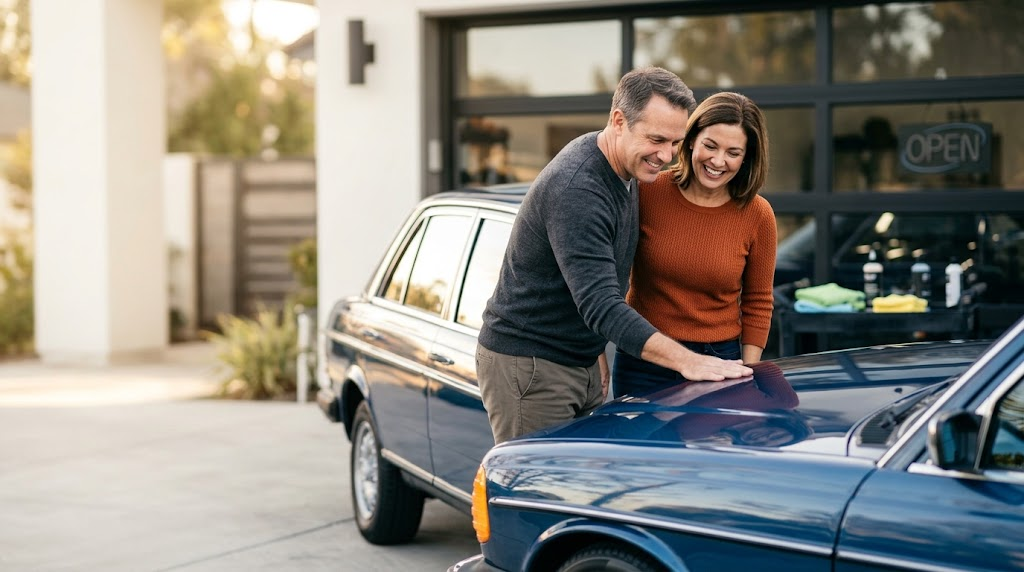
Owning a car is mostly a slow battle against the elements. Between the sun, road salt, and those cheap brush washes, the clear coat eventually looks dull and covered in swirls. A paint correction isn't just a fancy wash; it's a labor-intensive process where a pro buffs away a microscopic layer of clear coat to level the surface. It makes the car look new, but it usually hits your wallet all at once.

We like timing this for the spring. Once the winter slush is gone, detailers are looking for work before the summer show season kicks off. While $800 is the standard price for a solid two-stage correction, we don't have to drop that in one lump sum. By using a specific timing window, we can treat this like a small monthly subscription instead of a major repair bill.

The 18-month window is a hard stop, not a suggestion. If you still have a balance when the intro period ends, the standard variable APR will apply to whatever is left. Stick to the $44.44 monthly plan to make sure you finish on time.

The steps

  1. 01

    Shop for the specialist

    Don't go to a high-volume car wash for this. Look for independent detailers who use paint depth gauges. They check how much clear coat you have left before they start grinding. Get three quotes and ask to see their work under LED lights.

  2. 02

    Time it for the spring thaw

    Book your appointment for late March or April. The road salt is gone, and shops are often willing to throw in an interior deep clean to win your business. Negotiate the service price separately from how you plan to pay.

  3. 03

    Use the eighteen month window

    Put the $800 on the Citi Simplicity® Credit Card (Citi). You get 0% for 18 months on purchases and balance transfers from date of account opening. If you pay $44.44 every month, you'll clear the bill exactly when the window closes.

  4. 04

    Skip the dealership upsells

    Your dealer will try to sell you a ceramic package for two grand when you buy the car. It's usually a cheap spray-on product. Take that money to a real pro instead. You'll get a better result and save over a thousand dollars.

  5. 05

    Add a layer of protection

    Since you aren't paying interest, use some of those savings to add a ceramic coating. It's a liquid polymer that bonds to your fresh paint. It keeps the correction looking sharp for years and makes the car much easier to wash.

  6. 06

    Check the card terms before you commit

    Every figure we publish for the Citi Simplicity® Credit Card carries the date a person verified it against Citi and a link to where they checked. Intro windows and APRs change without notice, so confirm the current terms before applying.

    See Citi Simplicity® Credit Card terms →

Common questions

Is paint correction different from a wax?

Yes. Wax just fills in scratches temporarily. Correction uses abrasive compounds to physically remove the scratches from the clear coat for a permanent fix.

Can I do a paint correction myself?

You can buy the tools, but it's risky. If you use the wrong pad or pressure, you can burn right through the paint to the metal, which costs thousands to fix.

How long does the process take?

A real correction takes two to three days. If a shop says they can do it in a few hours, they are likely just using 'glaze' to hide the scratches rather than fixing them.

Will this fix deep scratches?

If you can feel the scratch with your fingernail, a correction won't fix it. That's a deep wound that requires a body shop and new paint, not just a polish.