0% intro APR for 15 months on purchases and b… Discover it® Cash Back Calculators How we make money
VOATLAS
How to Pay for a Home Battery System

How to · Tech

How to Pay for a Home Battery System

Spread the cost of a home battery backup system without paying interest while hunting for local energy rebates.

Typical cost $5,000 before anything else
Across the 0% window $333.33/mo 15 months, no interest

How we got that: $5,000 spread evenly across the 15-month introductory window on the Discover it® Cash Back. Checked · at the bank Carry a balance past the window and the standard APR applies to what is left.

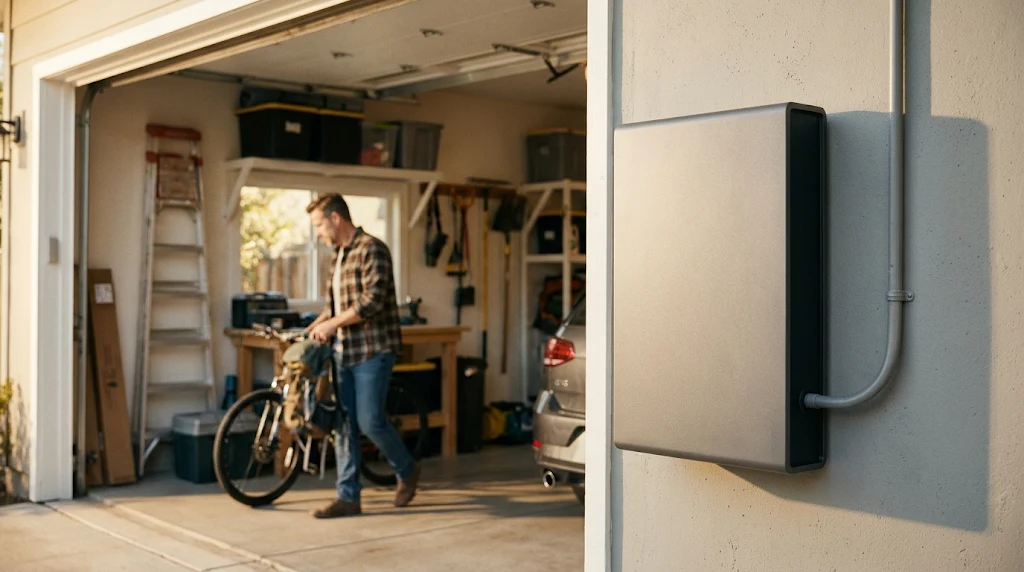
A good home battery backup keeps your lights on and your fridge cold when the grid goes down. You want a system sized for your whole house that lasts at least a decade, so you buy it once instead of under-powering yourself and replacing it in three years.

Most major tech brands drop new energy hardware in early fall. When the newest generation hits the market, last year's model usually drops hundreds in price while offering almost identical capacity and output. That is your sweet spot to buy.

Remember that an intro window is a strict deadline, not free money. If you still have a balance when the 15 months are up, standard interest rates kick in on whatever balance remains, which gets expensive quickly.

The steps

  1. 01

    Calculate your real power needs

    Figure out which appliances you actually need to run during an outage. A basic setup handles the fridge, wifi, and lights, while central AC demands much larger capacity. Don't pay for capacity you won't use.

  2. 02

    Hunt down local rebates

    Check your local power company's website before buying anything. Many utility providers and state programs offer cash rebates or tax credits for installing residential energy storage. That can shave thousands off your upfront cost.

  3. 03

    Buy last year's model

    Look for clearance sales on previous-generation batteries when new hardware is announced. The battery chemistry and inverter tech rarely change enough year-over-year to justify paying full retail price for the newest badge.

  4. 04

    Use a zero-interest window

    The Discover it® Cash Back comes with a 0% intro APR for 15 months on purchases and balance transfers. If your system costs $5000, you can pay $333.33 per month to clear the balance before the promotional rate ends without paying a dime in interest.

  5. 05

    Line up certified installation

    Get quotes from licensed electricians who specialize in solar and battery hookups. A poor wiring job can void your equipment warranty or fail local inspection. Factor the labor cost into your overall plan.

  6. 06

    Check the card terms before you commit

    Every figure we publish for the Discover it® Cash Back carries the date a person verified it against Discover and a link to where they checked. Intro windows and APRs change without notice, so confirm the current terms before applying.

    See Discover it® Cash Back terms →

Common questions

How big of a battery system do I actually need?

A 10kWh to 15kWh system is usually enough to run essential loads like your refrigerator, lights, and device chargers for a day or two. If you want to run central air conditioning or an electric stove, you will need double that capacity.

Can I install a battery backup system myself?

Unless you are a licensed electrician, no. Connecting high-voltage storage to your main breaker panel requires permits, utility approval, and professional wiring to be safe and legal.

Do home batteries work without solar panels?

Yes, they do. You can charge the battery directly from the grid when power is cheap or normal, then draw from it during outages or peak rate hours.

How long do home backup batteries last?

Most modern lithium iron phosphate batteries are rated to last 10 to 15 years, or around 4,000 to 6,000 full charge cycles, before their capacity drops significantly.