0% for 18 months on purchases and balance tra… Citi Simplicity® Credit Card Calculators How we make money
VOATLAS
How to Pay for a Power Steering Pump Repair

How to · Auto

How to Pay for a Power Steering Pump Repair

Fix that whining noise in your steering without a big upfront bill by spreading the cost over 18 months.

Typical cost $380 before anything else
Across the 0% window $21.11/mo 18 months, no interest

How we got that: $380 spread evenly across the 18-month introductory window on the Citi Simplicity® Credit Card. Checked · at the bank Carry a balance past the window and the standard APR applies to what is left.

Your car is a tool, but it is a noisy one when the power steering starts to fail. That high-pitched groan during every turn isn't just annoying; it means the pump is struggling to move fluid. We usually see these parts fail more often in winter when the fluid is thick, but you can find better deals on labor in the late spring when shops are less slammed with heater repairs.

Negotiating the price is about the labor, not the part. Ask the mechanic for a menu price on the job before they start. Once you have a firm number for the pump and the flush, you can use a specific window of time to handle the payment.

This intro window is a deadline, not free money. If you still have a balance after those 18 months, the standard interest rate kicks in and makes this repair much more expensive than the original shop quote.

The steps

  1. 01

    Diagnose the groan

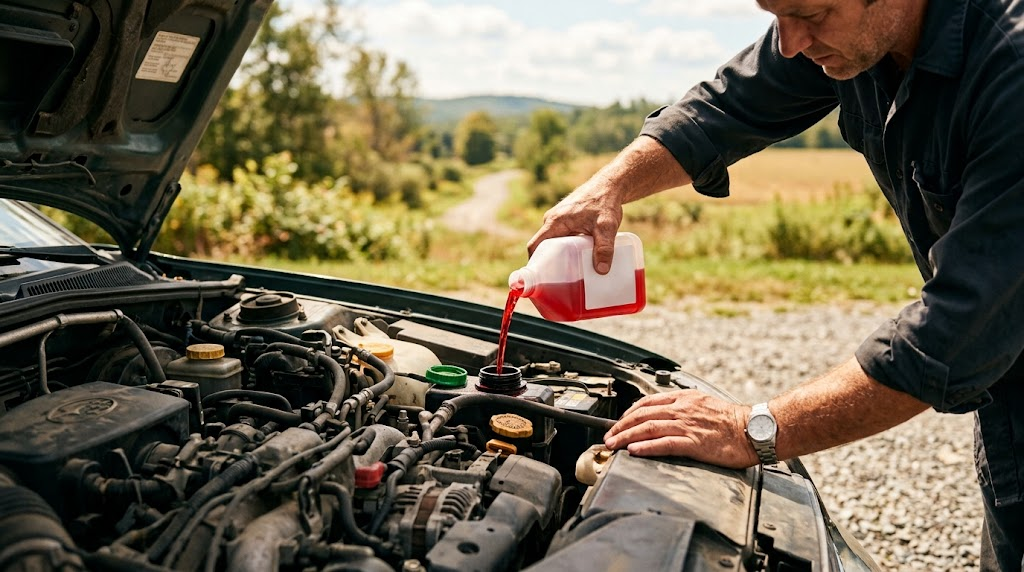
    Listen for the noise when you turn the wheel while parked. If it gets louder as you turn, check your fluid level first. Sometimes a simple top-off stops the noise, but if the pump is leaking, we need to swap it out before it ruins the steering rack.

  2. 02

    Source your own parts

    Ask the shop if they allow customer-supplied parts. You can often find a remanufactured pump for half the price of a brand-new one from a dealership. Just make sure it includes a warranty so you don't pay for labor twice if the part is a dud.

  3. 03

    Use the card window

    Pay for the repair with the Citi Simplicity® Credit Card (Citi). It offers 0% for 18 months on purchases and balance transfers from date of account opening. For a $380 repair, you only need to set aside $21.11 a month to pay it off before interest starts.

  4. 04

    Flush the system

    Don't skip the fluid flush. Putting a new pump into a system filled with old, gritty fluid is a waste of money. We want to clear out the metal shavings so the new seals actually last more than a year.

  5. 05

    Bleed the lines

    Turn the wheel lock-to-lock several times after the install to get the air out. If you still hear bubbles or hissing, the system isn't sealed yet. Keep an eye on the driveway for red or clear puddles for the next week to ensure there are no leaks.

  6. 06

    Check the card terms before you commit

    Every figure we publish for the Citi Simplicity® Credit Card carries the date a person verified it against Citi and a link to where they checked. Intro windows and APRs change without notice, so confirm the current terms before applying.

    See Citi Simplicity® Credit Card terms →

Common questions

Can I drive with a bad power steering pump?

You can, but it is a workout and eventually dangerous. The steering gets heavy and jerky in tight spots. A seizing pump can also snap your serpentine belt and leave you stranded on the side of the road.

Should I use stop-leak fluid?

We don't recommend it. Stop-leak is a temporary fix that swells the seals, but it can eventually gunk up the rest of your steering system. It is better to just replace the pump and do it right.

Is it cheaper to buy a used pump?

A used pump from a junkyard is a gamble because you have no idea how much life is left in it. Stick with remanufactured parts because they usually come with a limited warranty for peace of mind.

How long does the repair take?

Most shops can swap a pump in two to three hours. If you are doing it yourself, set aside a full afternoon. It is a messy job involving a lot of oily fluid and cramped spaces under the hood.