0% for 12 months on purchases and 0% for 21 m… Citi® Diamond Preferred® Credit Card Calculators How we make money
VOATLAS
How to Pay for an Attic Insulation Upgrade

How to · Home

How to Pay for an Attic Insulation Upgrade

Upgrade your home efficiency for about $2500 and pay it off over 18 months without interest.

Typical cost $2,500 before anything else
Across the 0% window $138.89/mo 18 months, no interest

How we got that: $2,500 spread evenly across the 18-month introductory window on the Citi Simplicity® Credit Card. Checked · at the bank Carry a balance past the window and the standard APR applies to what is left.

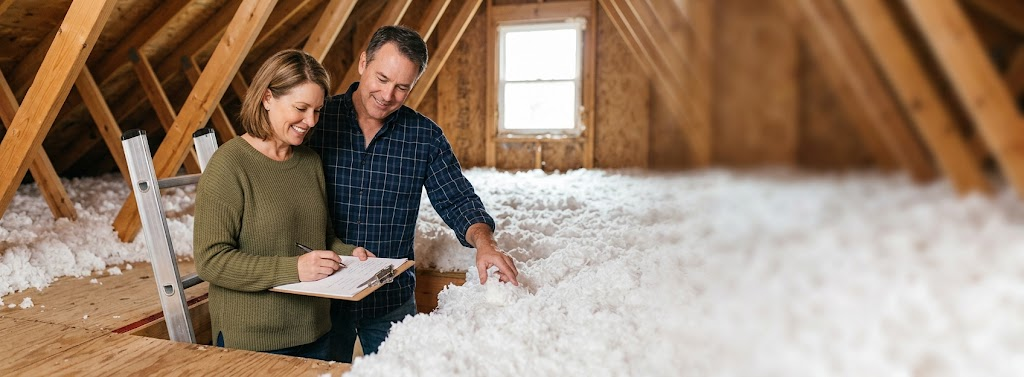
Your upstairs will stop feeling like a sauna in the summer and a fridge in the winter once your attic is sealed. Most insulation jobs take less than a day to finish. You should book your installer in the late spring or early fall when HVAC crews are between their busiest seasons and more likely to offer a deal.

Prices for blown-in fiberglass or cellulose vary between contractors, so get at least three quotes to see the local average. If you use the Citi Simplicity® Credit Card (Citi), you can handle the cost of a typical $2500 project over a long timeline without adding interest to the bill.

This 0% interest window is a deadline, not a permanent discount. If you still have a balance on the card after the 18 months are up, the standard variable APR will apply to the remaining amount.

The steps

  1. 01

    Claim your rebates

    Check with your local utility company before you sign a contract. Many power providers offer significant rebates or bill credits for efficiency upgrades that can lower your total cost.

  2. 02

    Compare three quotes

    Call at least three local specialists and ask for the R-value they plan to hit. This is a measure of thermal resistance, and you want to make sure every quote is for the same thickness of material.

  3. 03

    Use a long intro window

    The Citi Simplicity® Credit Card (Citi) offers 0% for 18 months on purchases and balance transfers from date of account opening. This gives you a year and a half to pay for the work while your energy bills start to drop.

  4. 04

    Seal the leaks first

    Ask your installer to include air sealing in the quote. Adding fluff on top of gaps where air escapes into your attic is a waste of money, so ensure they plug those holes with foam first.

  5. 05

    Automate your math

    Divide your total project cost by 18 and set that as your monthly autopay. For a $2500 job, paying $138.89 a month ensures you clear the debt before the interest starts.

  6. 06

    Check the card terms before you commit

    Every figure we publish for the Citi Simplicity® Credit Card carries the date a person verified it against Citi and a link to where they checked. Intro windows and APRs change without notice, so confirm the current terms before applying.

    See Citi Simplicity® Credit Card terms →

Common questions

How much does attic insulation cost?

A typical professional job in the US costs about $2500. This usually covers removing old material, sealing air leaks, and blowing in new high-efficiency insulation.

Will this actually lower my power bill?

Yes, better insulation is one of the most effective ways to cut energy costs. Most homeowners see a noticeable drop in their monthly heating and cooling expenses immediately.

What is the best time of year to do this?

Aim for the shoulder seasons like spring or fall. Installers are often less busy when the weather is mild and may offer better pricing to fill their schedules.

Is blown-in insulation better than batts?

Blown-in insulation is usually better for attics because it fills small gaps and corners more effectively than pre-cut fiberglass batts. It creates a more seamless thermal blanket.