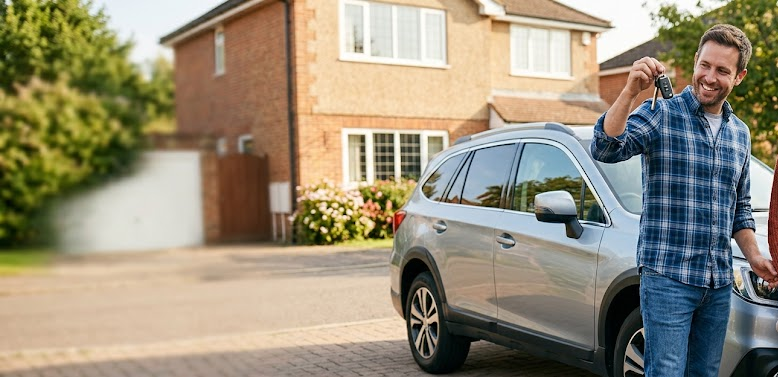
The free money illusion
Zero percent financing sounds like the ultimate deal. You buy a car, split the cost into monthly payments, and pay back exactly what you borrowed. No interest charges. No extra fees tacked on for the privilege of spreading out the payments over several years. It feels like getting a free pass from the financial system.
To understand why this happens, we need to talk about annual percentage rate (APR), which is the total yearly cost of borrowing expressed as a percentage. When a car loan has a zero percent annual percentage rate (APR), the lender is not making any money from interest over the life of the loan. On paper, it is the cheapest way to finance a major purchase.
So why do dealers offer it? Car manufacturers use these deals as promotional tools to move inventory. They want to sell specific vehicles, clear out last year's models, or hit quarterly sales targets. They are not doing it out of kindness. The cost of that zero-interest offer is simply built into the deal somewhere else.
How zero percent deals work
When you see a headline offer for zero percent interest, it almost never comes from a standard bank or credit union that you might use for your daily Banking & Savings. Instead, it comes directly from the car manufacturer's financing division, known as a captive lender.
Captive lenders exist to help the parent company sell vehicles. Unlike an independent bank, a captive lender can afford to take a loss or break even on financing if it helps sell a car that might otherwise sit on the lot. The manufacturer subsidizes the loan behind the scenes to make the offer possible.
The cash rebate trade-off
Here is the biggest catch with zero percent auto loans: you rarely get the zero-rate deal and the best purchase price on the vehicle. Dealerships usually make you choose between zero percent interest or a substantial cash rebate.
This is where basic math saves you money. Imagine you are buying a car for $30,000. The dealership gives you two choices: take zero percent interest for four years, or take a $3,000 cash rebate and use standard financing.
If you pick the zero percent deal, you borrow $30,000. Your monthly payment is $625, and your total cost over four years is $30,000.
If you take the rebate, the car price drops to $27,000. If you secure a regular loan on that $27,000 and the total interest over four years comes out to $1,500, your overall spend is $28,500. In this scenario, taking the rebate and paying interest actually saves you $1,500 compared to the zero percent loan. Never assume zero percent is the cheapest option until you compare the total numbers.
The opportunity cost of your cash
Some buyers have enough money saved to buy a car outright, but they consider a zero percent loan to keep their cash liquid. This strategy can work well if you understand annual percentage yield (APY), which is the total interest you earn on money in a bank account over a year, taking compound interest into account.
If your money sits in an account earning a strong annual percentage yield (APY), or if it is growing through long-term Investing, taking a zero percent loan lets your cash keep earning returns while you pay off the car. You borrow the manufacturer's money for free and let your own cash work for you in the background.
However, this strategy requires discipline. If taking a loan means you spend the remaining cash on discretionary items instead of keeping it saved or invested, the advantage disappears quickly.
Who actually qualifies for these loans?
The headline rate is a marketing tool designed to get you through the dealership door, but very few buyers actually walk out with it. Zero percent deals are strictly reserved for buyers with top-tier credit scores.
Lenders look for long credit histories, high credit scores, low debt ratios, and reliable income. If your credit profile carries a few marks from unpaid Student loans, elevated balances on Credit Cards, or heavy existing debt loads like Mortgages, the lender will likely turn down your application for the zero percent tier.
When that happens, the finance manager will offer to write a standard loan at a higher interest rate instead. If you do not qualify for the headline deal, having backup options like pre-approved Personal loans from an outside lender ensures you still get a competitive rate.
Traps to watch for at the dealership
Even if you qualify for zero percent financing, watch out for common sales tactics that swallow up your savings:
- Shorter loan terms: Zero percent deals often apply only to shorter loan lengths, such as 36 or 48 months. A shorter term means a significantly higher monthly payment, which can strain your cash flow if you are not prepared for it.
- Overpriced add-ons: Dealerships often try to roll add-ons—like extended warranties, fabric protection, or maintenance packages—into the loan balance. Adding extra items to a zero percent loan still increases your total debt.
- Focusing on monthly payments: Sales agents like to talk strictly about monthly payment targets rather than the total vehicle price. Always negotiate the final purchase price of the car first before discussing how you plan to finance it.
- Insurance requirements: Lenders require comprehensive and collision auto coverage for the duration of the loan. Make sure to check rates for auto Insurance on that specific vehicle before buying, as coverage costs can offset loan savings.
How to evaluate a zero percent offer
Before agreeing to any deal, walk through these simple steps. First, negotiate the best possible purchase price for the vehicle on its own merits. Second, ask for a written breakdown comparing the zero percent financing offer against the cash rebate option with a standard loan rate. Third, check your credit history beforehand so you know whether you are realistic candidate for top-tier financing. A zero percent loan is a useful financial tool, but only if it reduces the total amount you spend on the car.