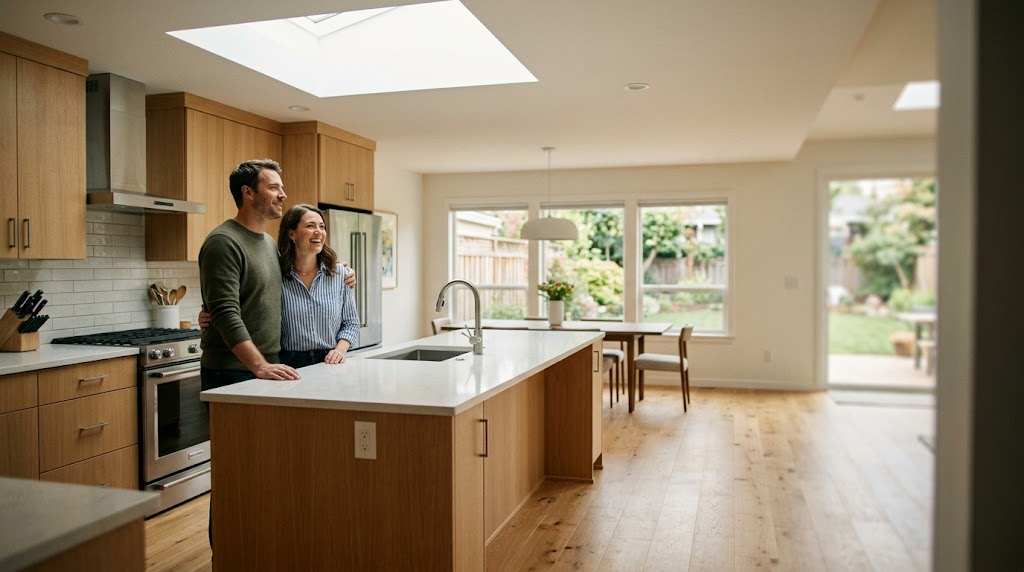
The Short Answer on Additions
You are staring at a cramped kitchen or wishing for a second bathroom. Adding square footage feels like the ultimate fix. But before you call a contractor, we need to look at the math. Most additions do not return every dollar you spend on them. If you plan to move in a year or two, you are likely losing money. If you plan to stay put for a decade, the comfort might outweigh the lost cash.
When you start pricing out lumber, labor, and permits, the bills add up fast. You need a way to pay for it all. Some folks pull cash from their equity, while others lean on traditional Loans to cover the gap. Just remember that borrowing against your home means taking on new risk. You want to make sure your monthly budget can handle the squeeze.
How the Math Actually Works
The return on investment for a home addition depends on what you build. Extra bedrooms and ground-floor bathrooms usually perform better than luxury upgrades like sunrooms. Appraisers look at comparable sales in your neighborhood. If every house around you has three bedrooms and two baths, adding a fourth bedroom helps. If your house becomes the biggest and most expensive box on the block, you hit a ceiling. Buyers will not pay a premium for a modest neighborhood just because your house has custom finishes.
Funding the project is where people get tripped up. If you are borrowing against your property, you will see terms like annual percentage rate (APR), which is the yearly cost of borrowing including fees, thrown around by lenders. Compare that total cost against what you might pay if you were just Refinancing your whole mortgage to pull out cash. Every financing path has its own set of fees and closing costs that eat into your budget before the first hammer swings.
Funding Your Build Without Breaking the Bank
Most of us do not have fifty grand sitting in a Checking account for a new foundation. You have to get creative with how you pay. Some homeowners tap into Banking & Savings accounts they built up over the years. Others might use a mix of Credit Cards for smaller material purchases, though carrying a balance there will cost you dearly if you do not pay it off immediately.
If you are looking at long-term financing, you might compare these building costs to what you spent on your original Purchase mortgages. The interest environment might be totally different now. You also have to think about the aftermath. Once the dust settles and your new room stands proud, your property taxes will likely go up because your home is worth more on paper. Your homeowners Insurance premiums will probably rise too, since you have more square footage to cover if something catches fire.
The Traps to Avoid
The biggest trap is underestimating the timeline and the budget. Contractors give estimates, not guarantees. Supply chain issues, weather, and hidden water damage behind old drywall can add twenty percent to your bill overnight. If you drain every cent you own into the project, you leave yourself no cushion for life's surprises. Keep some cash tucked away in Investing accounts or safe reserves so a busted pipe does not ruin your year.
Another trap is over-improving for the neighborhood. You might love a heated marble floor, but the appraiser will not value it at cost. Build for how you live, but keep one eye on the local real estate market so you do not price yourself out of a future sale.