0% intro APR for 15 months from account openi… Chase Freedom Flex ® Credit Card Calculators How we make money
VOATLAS
How to Budget for a Built-In Mudroom

How to · Home

How to Budget for a Built-In Mudroom

Make space for backpacks, boots, and coats during your renovation without blowing your cash flow.

Typical cost $2,000 before anything else
Across the 0% window $133.33/mo 15 months, no interest

How we got that: $2,000 spread evenly across the 15-month introductory window on the Discover it® Cash Back. Checked · at the bank Carry a balance past the window and the standard APR applies to what is left.

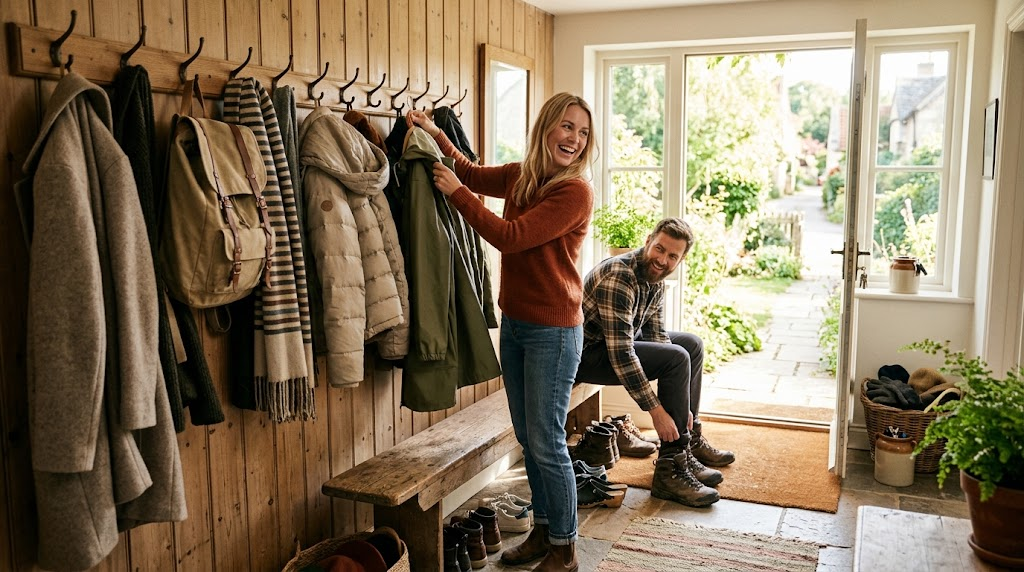
Walking into a house without a drop zone means tripping over shoes and staring at a pile of mail on the counter every single day. Getting a built-in mudroom storage bench and lockers changes that routine instantly, turning chaos into a spot where everything actually has a home. A carpenter or cabinet maker usually knocks out the build in about three to five days once the drywall is ready.

Timing this part of a renovation during the late fall or winter can sometimes land you better availability since outdoor contractors slow down, but always get at least three distinct quotes to make sure you are not overpaying. Local shops and independent woodworkers vary wildly in price for custom built-ins, and comparing estimates helps you find the sweet spot between craftsmanship and your actual budget.

That 0% window is a hard deadline, not free money, so whatever is left on the balance when the fifteen months run out will start getting hit with regular interest.

The steps

  1. 01

    Get multiple quotes

    Call at least three local carpenters or cabinet makers to price out your exact bench and locker dimensions. Prices swing based on whether you want paint-grade MDF or heavy hardwood, so make sure every builder is quoting the same materials.

  2. 02

    Pin down the timeline

    Schedule the build for a time when the rest of your renovation dust has settled so the fresh wood does not get ruined. Custom built-ins often require a few weeks in the shop before they arrive at your house for final installation.

  3. 03

    Map your monthly payments

    Divide your total project cost by the months you have to pay it off so you know exactly what hits your bank account. For a two thousand dollar project, that comes out to one hundred thirty-three dollars and thirty-three cents per month over fifteen months.

  4. 04

    Line up your card terms

    You can use the Discover it® Cash Back card, which gives you 0% intro APR for 15 months on purchases and balance transfers. This lets you spread out the cost without paying interest, as long as you pay it off before the window closes.

  5. 05

    Confirm hardware details

    Hooks, hinges, and drawer pulls add up fast when you buy them yourself instead of letting the builder supply standard options. Pick those out early so the carpenter can build the lockers around the exact hardware you want.

  6. 06

    Check the card terms before you commit

    Every figure we publish for the Discover it® Cash Back carries the date a person verified it against Discover and a link to where they checked. Intro windows and APRs change without notice, so confirm the current terms before applying.

    See Discover it® Cash Back terms →

Common questions

How much does a custom mudroom bench cost?

A typical built-in mudroom storage bench and lockers runs about two thousand dollars depending on the size and materials. Custom hardwood and complex trim work will push that number higher.

Should I buy pre-made cabinets or go custom?

Pre-made stock cabinets are cheaper, but custom built-ins maximize every inch of awkward wall space and fit your exact ceiling height. If your mudroom has an odd layout, custom is usually worth the extra cost.

How long does installation take?

Most built-in mudroom units take a carpenter one to two days to install on site, assuming the pieces were pre-built in a shop. Painting or finishing might add another day of drying time.

What is the best wood to use for mudroom lockers?

Plywood and MDF are stable, take paint well, and keep costs down for the main structure. Use solid hardwood for the benchtop since it takes a lot of abuse from boots and heavy bags.