Why home value matters
We tend to think of our homes as places to live, but they're also massive financial assets. When you increase your home's value, you build equity. That's the difference between what your place is worth and what you still owe on your Purchase mortgages. More equity means more financial options down the road, whether you want to borrow against it or pocket a larger check when you sell.
The smartest ways to boost your home's worth
You don't need to tear down walls to make a difference. In fact, massive renovations rarely give you your money back. Instead, focus on targeted upgrades that people actually care about.
First impressions and curb appeal
People judge a house by its cover. Simple things like a new front door, fresh paint, and basic landscaping can instantly bump up your appraisal. It's cheap, fast, and highly effective because it sets the tone before anyone even steps inside.
Kitchen and bath refreshes
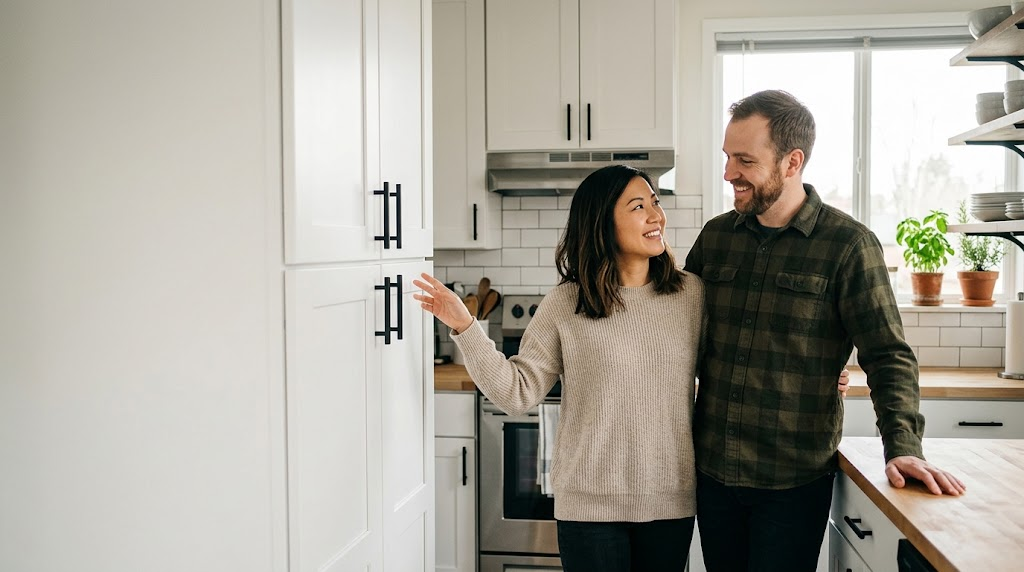
You don't need a luxury chef's kitchen to impress buyers. Minor kitchen remodels actually have a better return on investment than major ones. Think about painting old cabinets, putting in new hardware, and upgrading to modern light fixtures. The same goes for bathrooms. A clean, modern vanity and some fresh caulk can work wonders.
Energy efficiency updates
Buyers love low utility bills. Replacing old, drafty windows with energy-efficient ones is a solid move. Adding insulation to your attic is another unsexy project that pays off. It keeps your heating and cooling costs down while you live there, and it's a major selling point later. You might even qualify for tax credits, which makes the math even better.
System upgrades
No one gets excited about a new water heater, but everyone worries about an old one. Replacing aging roofs, heating systems, or electrical panels protects your asset. It also keeps your Insurance premiums from skyrocketing, as insurers hate old roofs and outdated wiring.
What actually decides your home's value?
We like to think our homes are worth what we feel they're worth, but appraisers use cold, hard facts. They look at comparable sales in your immediate area. These are similar homes nearby that sold recently. They look at square footage, the number of bedrooms and bathrooms, and the overall condition of the property.
If you add a bedroom by finishing your basement, you're changing the actual stats of your home. That's a reliable way to bump the value. If you just put in expensive marble countertops, you're changing the finish level. Finishes matter, but they don't move the needle as much as raw space and functional layouts. Keep this in mind before you start knocking down walls to create an open concept that actually removes a functional closet or office space.
How to pay for your upgrades
How you fund these projects is just as important as the projects themselves. Let's look at your options.
- Cash: This is always the safest route. If you save up in your Banking & Savings accounts, you don't owe anyone a dime. When saving, look for accounts with a high annual percentage yield (APY), which is the total interest your savings earn in a year including compounding. It helps your money grow faster while you plan.
- Home equity loans and HELOCs: These let you borrow against the value of your home. When you look at these Loans, pay close attention to the annual percentage rate (APR). The APR is the total yearly cost of borrowing, which includes the interest rate plus any fees the lender tacks on. It is the best tool for comparing different loan offers.
- Refinancing: If interest rates have dropped since you bought your home, Refinancing into a new mortgage with a cash-out option can give you the funds you need for major construction.
- Credit Cards: These are fine for quick trips to the hardware store for DIY paint jobs, but don't use Credit Cards for major remodels. The interest rates are too high, and you'll end up wiping out any value you added to the house.
The catch: Avoid over-improving
Here's the blunt truth: you almost never get dollar-for-dollar value back on renovations. If you spend $40,000 on a backyard pool, your home's value might only go up by $15,000. Worse, some buyers don't want the maintenance hassle of a pool.
You also need to look at your neighborhood. If the average home on your street is worth $300,000, putting $150,000 of luxury upgrades into your house won't make it a $450,000 home. It'll just make it the most expensive house on the block, which is notoriously hard to sell. Upgrade to match your neighbors, not to outshine them by a mile.
Balancing your home with your life
While we want our homes to grow in value, remember that real estate is just one piece of your financial puzzle. Don't sink every spare dollar into your house. Keep Investing in other places like retirement accounts or stocks. A diversified portfolio keeps you safe if the local housing market takes a dive. Do projects that make your life better today, and let the long-term value boost be a nice bonus.