0% for 18 months on purchases and balance tra… Citi Simplicity® Credit Card Calculators How we make money
VOATLAS
How to Buy a Whole-Home Standby Generator

How to · Tech

How to Buy a Whole-Home Standby Generator

A step-by-step guide to staging your power backup purchase in late winter so you are ready before the summer storms hit.

Typical cost $5,400 before anything else
Across the 0% window $360.00/mo 15 months, no interest

How we got that: $5,400 spread evenly across the 15-month introductory window on the Discover it® Cash Back. Checked · at the bank Carry a balance past the window and the standard APR applies to what is left.

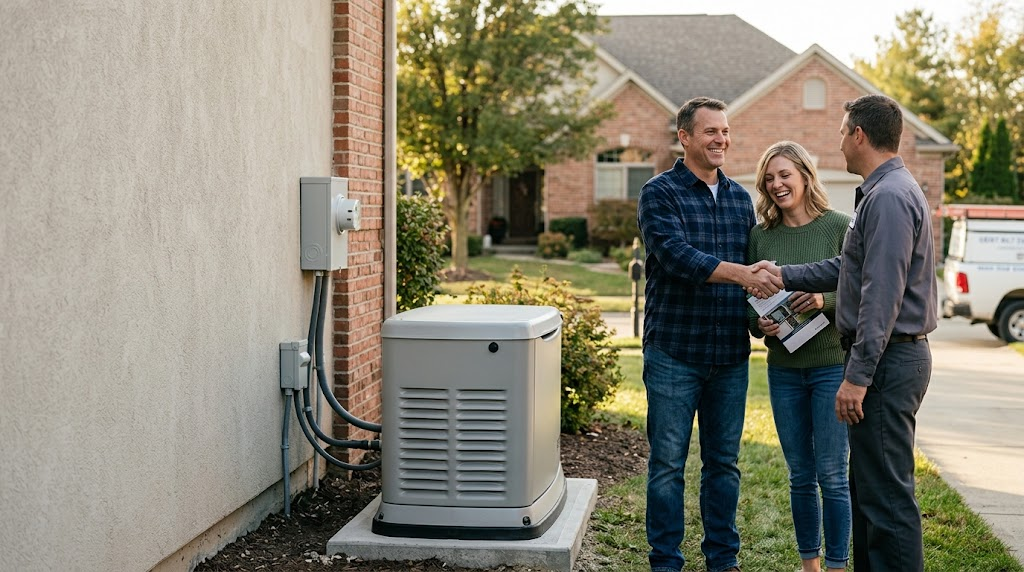
A whole-home standby generator keeps your lights, fridge, and AC running during a blackout. These machines are built to last 15 to 30 years, so we want to buy the right size once rather than underpowering the house and replacing it early. Late winter is the sweet spot to buy because demand is low, and installers have open schedules before the summer storm rush.

Manufacturers usually launch new generator models in the spring. That means late winter is also when retailers discount last year's inventory to clear space. There is rarely a major technological leap between generations, so grabbing last year's model on sale is almost always the smarter buy.

Keep in mind that the promotional window is a strict deadline, not free money. If you still have a balance on your Discover it® Cash Back after the 15 months are up, the standard variable interest rate will kick in on the remaining amount, which will quickly make your generator much more expensive.

The steps

  1. 01

    Calculate your power load

    Don't guess how much power you need. Make a list of your essential appliances, like your well pump, HVAC, and refrigerator, and add up their running watts. A professional installer can help you size the generator correctly so you do not buy more machine than your home actually requires.

  2. 02

    Time the permits and install

    Getting a standby generator is not a quick weekend project. You need local municipal permits, HOA approval, and a professional hookup to your natural gas or propane line. Starting the paperwork in late winter ensures everything is cleared before the peak summer storm season begins.

  3. 03

    Look for clearance inventory

    Ask local dealers about last year's models sitting in their warehouses. Since new models roll out in spring, dealers are highly motivated to sell off older stock in February and March. You get the same reliable engine and warranty for a fraction of the cost.

  4. 04

    Spread the cost with the right card

    A good generator setup averages about $5,400. You can buy it now and pay it off over time using the Discover it® Cash Back. This card gives you 0% intro APR for 15 months on purchases and balance transfers. If you divide the $5,400 cost into monthly payments of $360.00, you will clear the balance before the promotional rate expires.

  5. 05

    Schedule annual maintenance

    Once your generator is in place, it needs regular care to ensure it starts when the grid goes down. Set a recurring calendar reminder to change the oil, check the battery, and run a test cycle every few months. Treat it like a car engine, and it will keep your lights on for decades.

  6. 06

    Check the card terms before you commit

    Every figure we publish for the Discover it® Cash Back carries the date a person verified it against Discover and a link to where they checked. Intro windows and APRs change without notice, so confirm the current terms before applying.

    See Discover it® Cash Back terms →

Common questions

Can I install a standby generator myself?

No, you should not try this yourself. It requires tapping into your home's main electrical panel and your gas utility line, which is dangerous and usually requires licensed professionals to meet local building codes.

What is the difference between standby and portable generators?

Standby generators sit permanently outside your home, run on utility gas, and kick on automatically within seconds of a power outage. Portable generators run on gasoline, must be manually started and fueled, and only power a few items via extension cords.

Do standby generators run on natural gas or propane?

Most models can run on either. You will need to choose the configuration that matches your existing utility line or home propane tank during the installation process.

How long do whole-house generators typically last?

If you maintain them properly with regular oil changes and tests, standby generators typically last between 15 and 30 years. It is a long-term investment in your home's infrastructure.