0% intro APR for 15 months on purchases and b… Discover it® Cash Back Calculators How we make money
VOATLAS
How to Budget for a Backyard Fire Pit and Pavers

How to · Home

How to Budget for a Backyard Fire Pit and Pavers

Build a permanent outdoor fire pit with paver seating for $1,300 without paying interest if you pace your spending.

Typical cost $1,300 before anything else
Across the 0% window $72.22/mo 18 months, no interest

How we got that: $1,300 spread evenly across the 18-month introductory window on the Citi Simplicity® Credit Card. Checked · at the bank Carry a balance past the window and the standard APR applies to what is left.

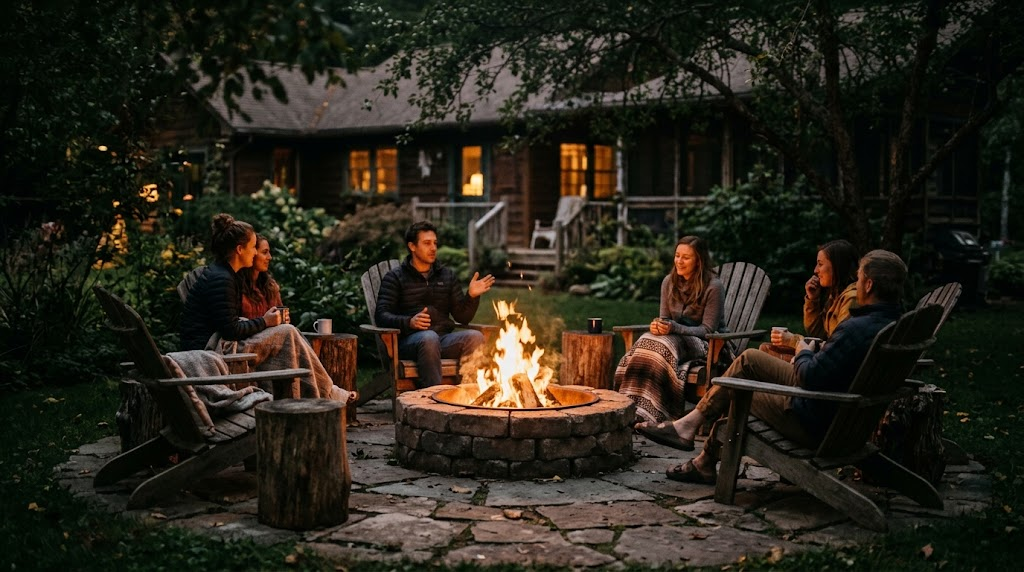
A permanent fire pit turns an empty corner of the yard into an extra living room you can use three seasons of the year. If you take on the site prep and block work yourself, the build takes about two solid weekends. The smartest time to buy your supplies is late autumn, when local garden supply yards and big-box centers slash prices on heavy pavers to clear floor space for snow gear.

If you prefer to hire out the digging or the gravel base installation, call at least three local hardscape pros in November. Contractors are wrapping up their warm-weather queues and often discount labor to keep crews busy before ground freezes. Done right, materials and a solid steel insert cost about $1,300, and you do not need to drain your savings to get it done.

Keep in mind that 0% interest is an 18-month deadline, not free money. If you carry any part of that $1,300 balance past the 18-month mark, the standard variable APR kicks in on what is left, so set your monthly auto-pay and stick to it.

The steps

  1. 01

    Shop the late fall inventory clear-outs

    Hit home improvement stores and commercial stone yards between October and early December. Paver stones, crushed limestone, and landscape adhesive often drop 20% to 40% simply because suppliers do not want to store heavy pallets through winter.

  2. 02

    Pick a heavy-gauge steel insert

    Avoid thin sheet-metal fire rings that burn through in two seasons. Look for a 10-gauge or 12-gauge steel liner to drop inside your paver circle. The steel shields concrete blocks from direct flames, preventing the stone from cracking or crumbling under high heat.

  3. 03

    Finance the materials with 0% interest

    The Citi Simplicity® Credit Card offers 0% for 18 months on purchases and balance transfers from date of account opening. Charging the $1,300 project cost and paying $72.22 per month clears the balance completely before interest ever starts.

  4. 04

    Dig and compact the base foundation

    Mark your footprint and dig out roughly eight inches of topsoil so frost heave will not shift your stones later. Fill the trench with four to six inches of crushed gravel, tamp it completely flat, and add a thin leveling layer of coarse sand.

  5. 05

    Stack the ring and lay the seating

    Set your first row of retaining wall blocks with a level, taking your time on every stone. Stagger your upper tiers, glue each layer with exterior concrete adhesive, and drop your steel liner in the center with small air gaps left at the base.

  6. 06

    Check the card terms before you commit

    Every figure we publish for the Citi Simplicity® Credit Card carries the date a person verified it against Citi and a link to where they checked. Intro windows and APRs change without notice, so confirm the current terms before applying.

    See Citi Simplicity® Credit Card terms →

Common questions

Can I use standard patio pavers inside the fire ring?

No, standard concrete pavers can crack or even burst when exposed to direct flames. Always use fire-rated bricks or line the interior with a heavy-duty steel ring to deflect the direct heat.

How far away from my home does the pit need to be?

Most city codes require wood-burning fire pits to sit at least 10 to 25 feet away from structures, property lines, and overhanging trees. Check your local municipality guidelines before digging.

What thickness steel should I buy for the fire pit?

Aim for 10-gauge to 12-gauge steel, which is thick enough to withstand intense wood fires for years without warping. Lightweight 16-gauge rings are cheaper upfront but rust through quickly.

How long will this DIY build realistically take?

Plan on two full weekends. The first weekend goes toward measuring, digging, and leveling the gravel base, while the second is spent laying the blocks, securing adhesive, and arranging seating.