0% for 18 months on purchases and balance tra… Citi Simplicity® Credit Card Calculators How we make money
VOATLAS
How to Budget for a Backyard Pergola

How to · Home

How to Budget for a Backyard Pergola

Turning your patio into a private room takes a few months of planning and a late-season booking to save on labor.

Typical cost $3,500 before anything else
Across the 0% window $233.33/mo 15 months, no interest

How we got that: $3,500 spread evenly across the 15-month introductory window on the Discover it® Cash Back. Checked · at the bank Carry a balance past the window and the standard APR applies to what is left.

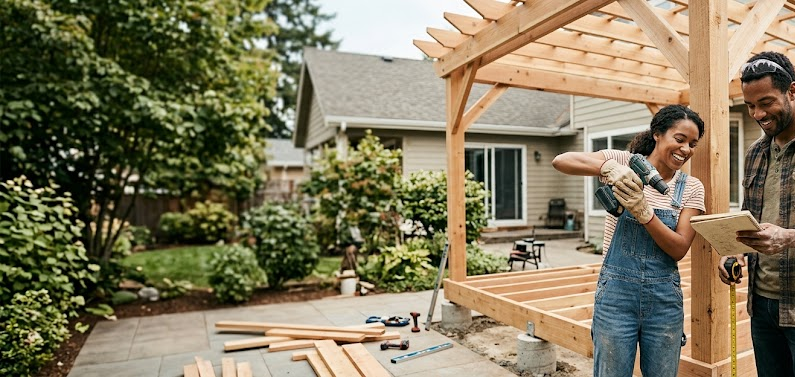
A pergola changes how you use your yard. It turns a flat slab of concrete into an actual room. With privacy screens, you can finally drink your coffee outside without the neighbors watching. Most builds take about two to three days once the materials arrive and the contractor is on-site.

Building in late fall is the move. Contractors are usually looking for work before the ground freezes and the holiday slump hits. Get at least three quotes to see who is hungry for the job. You can manage the $3,500 cost by spreading it out over a year and a half.

This setup only works if you pay the full balance within the 15 months. If you still owe money when that window closes, you will be hit with the standard interest rate on whatever is left. The intro period is a deadline, not a permanent discount.

The steps

  1. 01

    Pick your window

    Aim for late October or November. This is when landscapers finish their big summer projects and start looking for smaller jobs to fill the schedule. You often get a better rate just by being the person who books during their slow season.

  2. 02

    Choose your materials

    Pressure-treated wood is cheaper but needs more upkeep. Vinyl or aluminum costs more upfront but won't rot or need staining. Make sure your quote includes the cost of the privacy screens, as those are often priced separately from the main frame.

  3. 03

    Use the intro period

    The Discover it® Cash Back (Discover) offers a 0% intro APR for 15 months on purchases and balance transfers. If you put the $3,500 on this card, you can pay $233.33 each month to clear it before the interest starts. It lets you use the bank's money while you pay it down.

  4. 04

    Check your local rules

    Most small pergolas don't need a heavy permit, but some towns have rules about how close you can build to the property line. Ask your contractor to handle the paperwork. It is better to spend a little on a permit than to be told to tear the structure down later.

  5. 05

    Seal it before winter

    If you go with wood, get a coat of sealant on it before the first snow. This protects your investment from moisture and cracking. If you wait until spring, the wood might already be damaged by the winter dampness.

  6. 06

    Check the card terms before you commit

    Every figure we publish for the Discover it® Cash Back carries the date a person verified it against Discover and a link to where they checked. Intro windows and APRs change without notice, so confirm the current terms before applying.

    See Discover it® Cash Back terms →

Common questions

Do I need a concrete pad?

Most pergolas need a solid base. If you don't have a patio, you will need to pour concrete footings for the posts to keep the structure from shifting. This adds to the labor cost but keeps the structure safe in a storm.

Can I install the screens myself?

You can. Buying a pre-made pergola kit and adding your own screens can save you about a thousand dollars in labor. Just know that DIY kits are often less sturdy than custom-built ones from a contractor.

Will a pergola increase my home value?

It adds curb appeal and usable square footage. While it might not increase the price dollar-for-dollar, it makes the house much easier to sell. Buyers like seeing a finished outdoor space they can use immediately.

What is a 0% intro APR?

APR stands for Annual Percentage Rate. A 0% intro period means the bank won't charge you interest on your purchases for a set amount of time. Once that time is up, the interest starts at the normal rate on any remaining balance.