0% for 18 months on purchases and balance tra… Citi Simplicity® Credit Card Calculators How we make money
VOATLAS
How to Budget for a Backyard Vegetable Garden Kit

How to · Home

How to Budget for a Backyard Vegetable Garden Kit

Get your raised beds and soil delivered this spring without breaking your checking account all at once.

Typical cost $650 before anything else
Across the 0% window $43.33/mo 15 months, no interest

How we got that: $650 spread evenly across the 15-month introductory window on the Discover it® Cash Back. Checked · at the bank Carry a balance past the window and the standard APR applies to what is left.

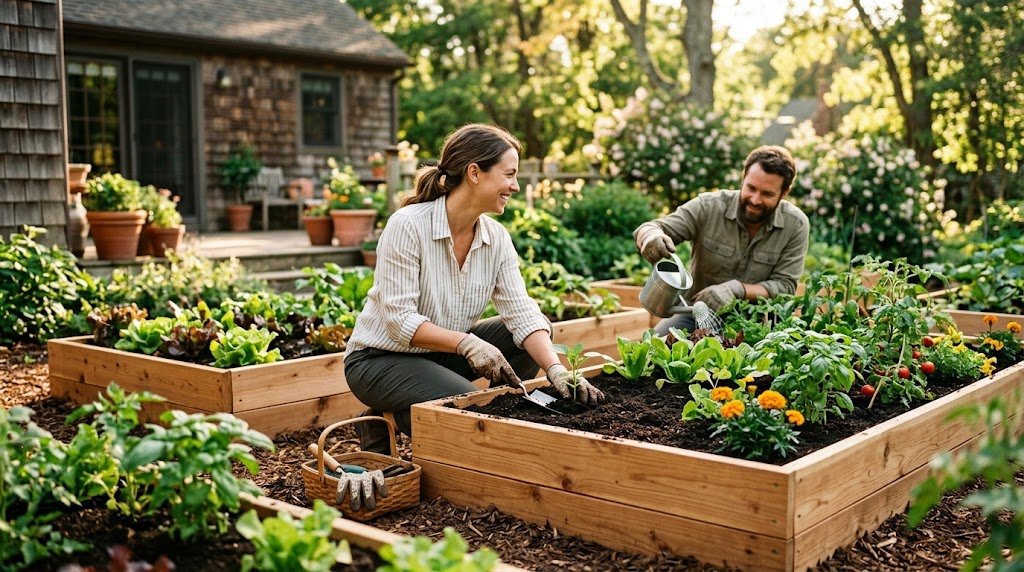
Imagine walking out your back door in a few months to grab fresh greens for dinner instead of paying four dollars for them in a plastic clamshell. Setting up a solid raised bed kit with proper soil delivery takes a weekend of heavy lifting, but once it is filled and planted, your daily routine shifts to a quick morning water and evening check-ins. Early spring is the exact right time to order before the rush hits and prices on lumber and soil bump up.

Before you click buy on the first kit you see, get a couple of quotes from local landscape yards for bulk topsoil and compost instead of just relying on bagged soil from the big box store. Buying in bulk usually saves you cash and cuts down on all that plastic waste. Take a look at your yard layout to find a spot that gets at least six hours of sun, and measure twice so you know your kit actually fits the space.

Remember that the 0% intro APR is a deadline, not free money, and any remaining balance left when those 15 months are up will start getting hit with regular interest charges.

The steps

  1. 01

    Measure your space

    Check how much sun your yard gets and map out where the kit will sit. Make sure you leave enough room to walk around all sides with a wheelbarrow or garden hose.

  2. 02

    Compare soil delivery quotes

    Call at least two local supply yards to price out bulk topsoil and compost delivery. Buying in bulk is usually cheaper and saves you from hauling dozens of heavy plastic bags in your trunk.

  3. 03

    Time your order

    Place your order in early spring so everything arrives right before the last frost date. You want the soil settled and ready to plant the moment the weather warms up.

  4. 04

    Spread the cost

    If you are using the Discover it Cash Back card, you have a 0% intro APR for 15 months on purchases and balance transfers. Spreading the $650 cost across that window comes out to $43.33 per month.

  5. 05

    Build and fill

    Assemble the raised bed frame on level ground, lay down weed barrier if you need it, and shovel in your delivered soil. Mix the compost in well so your plants have plenty of nutrients to start.

  6. 06

    Check the card terms before you commit

    Every figure we publish for the Discover it® Cash Back carries the date a person verified it against Discover and a link to where they checked. Intro windows and APRs change without notice, so confirm the current terms before applying.

    See Discover it® Cash Back terms →

Common questions

How much soil do I actually need for a raised bed?

Multiply the length, width, and depth of your beds in feet to get the total cubic feet needed. Most bulk yards sell by the cubic yard, which is 27 cubic feet, so divide your total by 27 to find out how many yards to order.

Should I put anything at the bottom of the raised bed?

Putting down hardware cloth or wire mesh keeps out gophers and moles if you have them in your area. You can also add a layer of cardboard or twigs at the very bottom to help with drainage and block weeds.

What kind of wood is best for a garden kit?

Cedar and redwood naturally resist rot and insects without needing chemical treatments, making them last for years. Untreated pine is cheaper, but it will rot out much faster in wet soil.

Can I just use regular dirt from my yard?

Native yard dirt is usually too heavy and compacts easily in raised beds, which chokes plant roots. You need a loose, well-draining mix of topsoil, compost, and aeration materials like peat moss or perlite.