0% for 18 months on purchases and balance tra… Citi Simplicity® Credit Card Calculators How we make money
VOATLAS
How to Budget for Cedar Raised Garden Beds

How to · Home

How to Budget for Cedar Raised Garden Beds

Build your dream cedar garden beds with irrigation by buying materials off-season and spreading the cost over 15 months.

Typical cost $1,500 before anything else
Across the 0% window $100.00/mo 15 months, no interest

How we got that: $1,500 spread evenly across the 15-month introductory window on the Discover it® Cash Back. Checked · at the bank Carry a balance past the window and the standard APR applies to what is left.

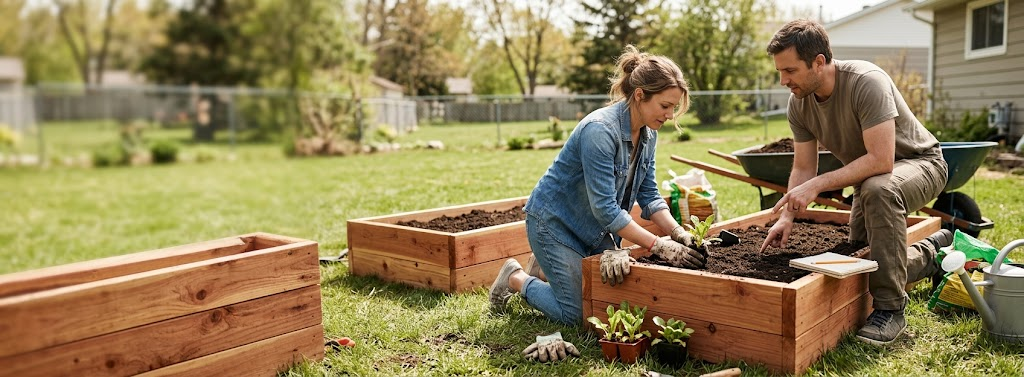
Walking out to pick fresh tomatoes and herbs from your own backyard changes how you cook every day. Building a proper set of raised cedar beds with built-in irrigation takes a weekend of hard work, but buying the materials in the dead of winter is how we save real money. Lumber yards are quiet in January, making it the best time to negotiate prices and get multiple quotes on your cedar.

A quality setup runs about $1,500. Instead of draining your savings before the planting season even starts, we can map out a plan to split that cost into manageable monthly bites. Here is how to get the project funded and built before the first spring thaw.

Remember, a 0% intro APR is a strict deadline, not free money. If you still have a balance when the 15 months are up, the regular interest rate kicks in on whatever is left, which will quickly erase any off-season savings you scored on the wood.

The steps

  1. 01

    Plan your layout

    Measure your yard to see where the sun hits for at least six hours a day. Sketch out the beds on paper. Four by eight feet is the standard size because it lets you reach the middle of the soil without ever stepping inside the bed.

  2. 02

    Get multiple lumber quotes

    Do not just walk into a big-box home improvement store. Call at least three local lumber yards in January or February and ask for their best price on rough-cut cedar, which naturally resists rot without any harsh chemical treatments.

  3. 03

    Use a interest-free window

    The Discover it® Cash Back offers 0% intro APR for 15 months on purchases and balance transfers. Put the $1,500 of lumber and irrigation parts on the card to buy everything during the winter sales, then pay exactly $100.00 each month to clear the balance before the promotional period ends.

  4. 04

    Build the irrigation grid

    Before you dump any dirt into the frames, run your main water line through the bottom of the beds. Use a simple drip irrigation kit with a battery-powered timer so your plants get watered automatically at sunrise.

  5. 05

    Fill with high-quality soil

    Do not use cheap topsoil from your yard. Mix equal parts compost, peat moss, and coarse vermiculite to give your vegetable plants the drainage and nutrients they need to thrive.

  6. 06

    Check the card terms before you commit

    Every figure we publish for the Discover it® Cash Back carries the date a person verified it against Discover and a link to where they checked. Intro windows and APRs change without notice, so confirm the current terms before applying.

    See Discover it® Cash Back terms →

Common questions

Why use cedar instead of cheaper pressure-treated wood?

Older pressure-treated wood contained chemical preservatives that could leach into your soil and food. While modern treated wood is safer, cedar remains naturally rot-resistant, lasts for over a decade, and is completely chemical-free.

Is drip irrigation really necessary?

Yes, it saves water and keeps your plants alive when you go on vacation. Drip systems deliver water directly to the soil and roots, which prevents evaporation and stops fungal diseases on the leaves.

How do I keep weeds and pests out of the beds?

Line the bottom of your empty wooden frames with steel hardware cloth to stop gophers, then lay down a layer of cardboard to smother any grass or weeds before you fill the beds with soil.

Can I build these on a slope?

You can, but you will need to terrace the beds or cut the uphill side of the frame into the ground to keep the top level. If the soil is slanted, water will run off instead of soaking in.