0% intro APR for 15 months from account openi… Chase Freedom Flex ® Credit Card Calculators How we make money
VOATLAS
How to Budget for Raised Garden Beds

How to · Home

How to Budget for Raised Garden Beds

Build your garden beds in February so the soil settles just in time for spring planting without draining your checking account.

Typical cost $400 before anything else
Across the 0% window $22.22/mo 18 months, no interest

How we got that: $400 spread evenly across the 18-month introductory window on the Citi Simplicity® Credit Card. Checked · at the bank Carry a balance past the window and the standard APR applies to what is left.

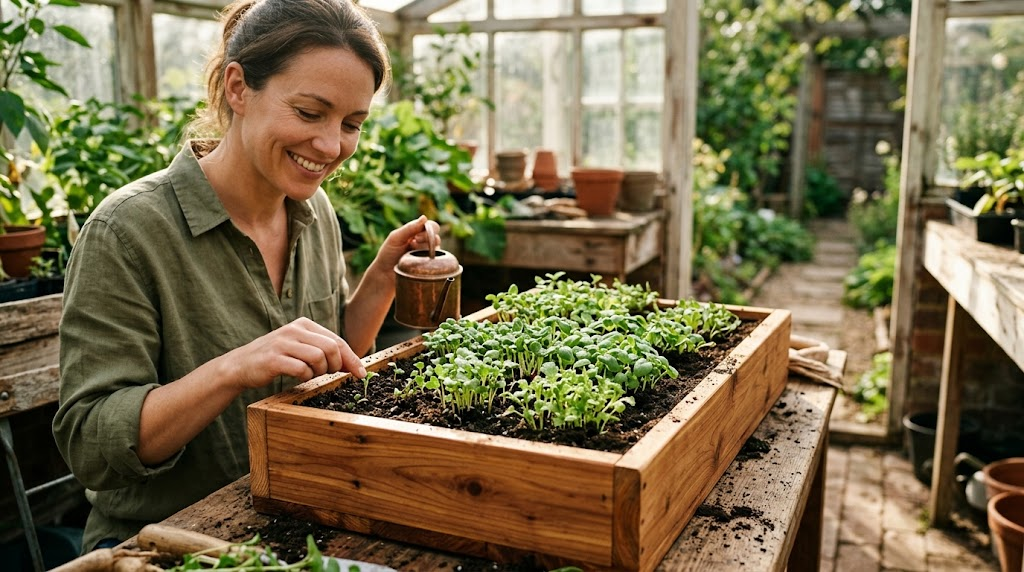
Getting your raised garden beds up and running in February means the soil has time to settle and the beds are ready the second spring hits. It takes a weekend of heavy lifting to haul soil and assemble the frames, but you avoid the rush when every nursery sells out of cedar in April.

Lumber and soil prices dip slightly in late winter before the spring gardening rush kicks in. You want to price out kits versus buying raw cedar boards at the hardware store, and always check local landscaping yards for bulk soil delivery rates rather than buying individual bags.

That 18-month window is a deadline, not free money. If you still have a balance left when the intro period ends, the remaining amount gets hit with standard interest.

The steps

  1. 01

    Pick your materials

    Decide whether you are building from scratch with untreated cedar or buying a pre-made kit. Raw wood gives you custom sizing, while kits save you an afternoon of measuring and cutting.

  2. 02

    Calculate the fill

    Raised beds need a mix of topsoil, compost, and organic matter. Call local yards for bulk delivery quotes instead of buying hundreds of pounds of bagged soil at the store.

  3. 03

    Spread the cost

    If you want to stretch out payments, the Citi Simplicity® Credit Card gives you 0% for 18 months on purchases and balance transfers from date of account opening on the $400 estimated total, which comes out to $22.22 per month.

  4. 04

    Prep the ground

    Clear the grass and level the dirt in February while the ground is still workable. Putting down hardware cloth on the bottom keeps out gophers and moles before you fill the frames.

  5. 05

    Fill and settle

    Fill the beds a few weeks before planting so winter rain and watering can compact the soil. Top them off with fresh compost right before you drop in seeds or starters.

  6. 06

    Check the card terms before you commit

    Every figure we publish for the Citi Simplicity® Credit Card carries the date a person verified it against Citi and a link to where they checked. Intro windows and APRs change without notice, so confirm the current terms before applying.

    See Citi Simplicity® Credit Card terms →

Common questions

What is the best wood for raised beds?

Cedar and redwood naturally resist rot without needing chemical treatments. Untreated pine is cheaper, but it will rot out and need replacing in three to four years.

How deep should raised garden beds be?

Twelve inches is the sweet spot for most vegetables and root crops. If you have poor native soil underneath or bad drainage, go up to eighteen inches.

Should I put anything at the bottom of the bed?

Layer hardware cloth or wire mesh at the bottom if you have burrowing rodents in your area. You can also add a layer of sticks and leaves at the very bottom to save on soil costs.

How much does soil really cost?

Soil usually makes up the bulk of the budget. Buying soil by the cubic yard in bulk is almost always cheaper than buying individual bags, especially for beds deeper than a foot.