0% Intro APR for 15 months on purchases and b… Citi Strata℠ Card Calculators How we make money
VOATLAS
How to Buy a Set of Premium All-Terrain Tires

How to · Auto

How to Buy a Set of Premium All-Terrain Tires

Get the grip you need without wrecking your monthly cash flow using smart timing and a zero-interest window.

Typical cost $1,100 before anything else
Across the 0% window $73.33/mo 15 months, no interest

How we got that: $1,100 spread evenly across the 15-month introductory window on the Discover it® Cash Back. Checked · at the bank Carry a balance past the window and the standard APR applies to what is left.

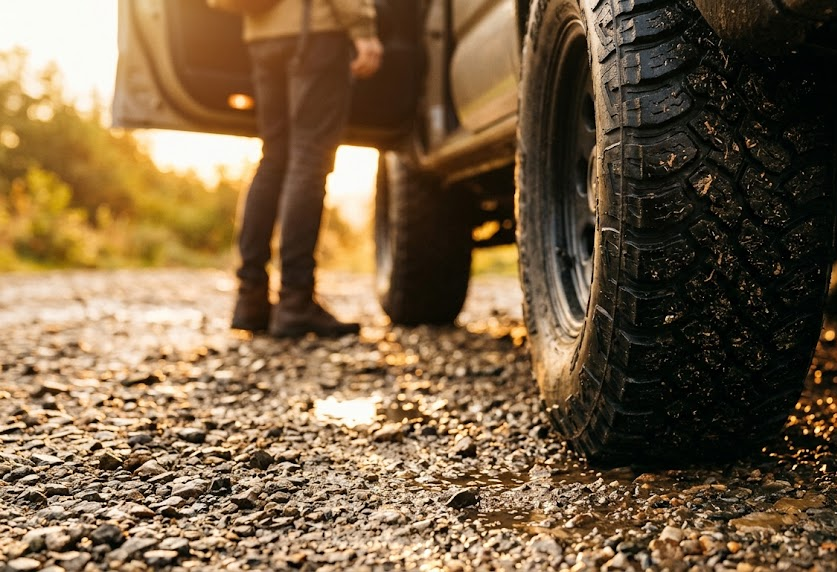
Good all-terrain tires change how your truck or SUV feels on the road, giving you bite in the mud and stability in the rain. But running a premium set isn't cheap, and keeping them properly aligned and rotated adds to the total cost of ownership over the years.

If you want the best price, watch for manufacturer rebate months in April and October when brands like BFGoodrich and Michelin usually run promotions. Line those rebates up with the shop's own seasonal sales to drop the sticker price before you even talk about how to pay for them.

Remember that the zero-interest window is a hard deadline, not free money, and any leftover balance when those 15 months are up will suddenly start collecting high interest. Pay it off before the clock runs out.

The steps

  1. 01

    Pick your window

    Aim your purchase for April or October to catch manufacturer mail-in rebates and seasonal dealer discounts. Stack these deals with any free mounting or balancing offers the shop has running.

  2. 02

    Negotiate the total out-the-door price

    Get quotes from at least three different local shops and ask them to beat each other. Make sure your price includes valve stems, mounting, balancing, and disposal fees so you do not get hit with surprise charges at the register.

  3. 03

    Use your card term

    If you are spreading out the cost, use the Discover it® Cash Back and its 0% intro APR for 15 months on purchases and balance transfers. This gives you breathing room to pay for the rubber over time without adding interest.

  4. 04

    Set up a steady payment plan

    Take your total and divide it by your timeline so you know your exact monthly target. For an $1100 set, you are looking at about $73.33 per month if $1100 is spread across the 15-month window. Automate this payment so you never miss a beat.

  5. 05

    Register your warranty

    As soon as the tires are on, log onto the manufacturer site and register the serial numbers for tread-wear mileage coverage. Keep your paper receipt in the glove box because shops rarely look up your purchase history if you get a flat on a road trip.

  6. 06

    Check the card terms before you commit

    Every figure we publish for the Discover it® Cash Back carries the date a person verified it against Discover and a link to where they checked. Intro windows and APRs change without notice, so confirm the current terms before applying.

    See Discover it® Cash Back terms →

Common questions

Should I buy all-terrain tires online or at a local shop?

Buying online can sometimes save you a few bucks on the initial tire price, but local shops often match prices when you factor in shipping. Plus, buying local usually makes future warranty claims and free rotations much easier to handle.

Do I really need a full set of four?

Yes, especially on four-wheel drive and all-wheel drive vehicles where mismatched tread depths can destroy your differentials. If one tire is damaged beyond repair, you usually have to replace all four or shave a new tire down to match the others.

How much does installation usually cost?

Mounting and balancing typically run between twenty and forty dollars per tire, plus a few bucks each for old tire disposal and new valve stems. Always ask for an out-the-door quote that includes these extras before you hand over your keys.

Will all-terrain tires hurt my fuel economy?

They are heavier and have a more aggressive tread pattern than standard highway tires, so you will likely see a small drop in your miles per gallon. It is the trade-off for better grip off-road and in bad weather.