0% intro APR for 6 months on purchases Discover it Student Chrome Calculators How we make money
VOATLAS
How to Pay for a Custom Car Audio Upgrade

How to · Auto

How to Pay for a Custom Car Audio Upgrade

Break a $1200 dual subwoofer and amp setup into monthly payments without taking on interest.

Typical cost $1,200 before anything else
Across the 0% window $80.00/mo 15 months, no interest

How we got that: $1,200 spread evenly across the 15-month introductory window on the Discover it® Cash Back. Checked · at the bank Carry a balance past the window and the standard APR applies to what is left.

A car is mostly a rolling list of maintenance bills. Gas, tires, and routine fluid changes drain your wallet every year, often while you are stuck in traffic listening to weak factory speakers. If you want serious bass, holding out for holiday sales weekends like Memorial Day or Black Friday is when retailers run the steepest promotions on audio hardware.

Always separate finding the right price from how you cover the balance. A zero-interest card window is made for car extras and gear builds, letting you spread out a $1200 setup across more than a year instead of draining your emergency cash on day one.

That 15-month window is a firm deadline, not free money. If you still owe anything when month 15 wraps up, the regular variable APR kicks in on whatever balance is left, which quickly eats up whatever you saved on sale day.

The steps

  1. 01

    Pick a matched bundle

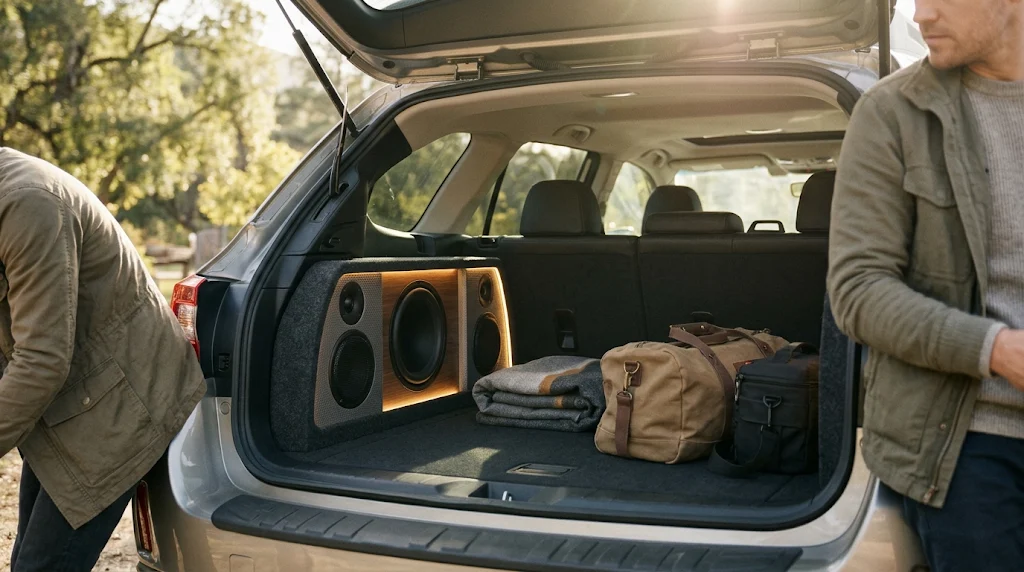
    Stick to a dual subwoofer package that comes bundled with a matching mono amplifier and wiring harness. Buying pre-matched parts guarantees the amp pushes the exact wattage the subwoofers need, and bundle pricing is usually lower than buying piece by piece.

  2. 02

    Wait for holiday sale pricing

    Car audio bundles drop heavily during major retail holiday weekends. Waiting for those predictable discount periods can trim 15% to 20% off your total retail cost before you buy a single cable.

  3. 03

    Charge the balance to an intro card

    Put the $1200 gear purchase on the Discover it® Cash Back. The card offers a 0% intro APR for 15 months on purchases and balance transfers, giving you over a year to carry the balance without interest eating into your budget.

  4. 04

    Set an $80 monthly payment

    Dividing your $1200 setup across the 15-month intro window comes out to exactly $80.00 per month. Set up an automatic transfer for that amount the day your card arrives so the balance is cleared before the rate changes.

  5. 05

    Price out installation in advance

    Call a couple of local car audio shops for labor quotes before ordering the parts. If you bring them the complete setup along with the right gauge wiring kit, they can usually give you a flat-rate labor quote.

  6. 06

    Check the card terms before you commit

    Every figure we publish for the Discover it® Cash Back carries the date a person verified it against Discover and a link to where they checked. Intro windows and APRs change without notice, so confirm the current terms before applying.

    See Discover it® Cash Back terms →

Common questions

Can I install the subwoofers myself?

You can if you are comfortable pulling interior trim, running thick power wire through the firewall, and setting your amp gain correctly. If wiring 12-volt systems makes you nervous, paying an audio shop for two hours of labor is worth the peace of mind.

Will a dual sub setup drain my car battery?

A standard dual subwoofer build running a moderately sized amplifier will run fine on a healthy stock electrical system. Just make sure your remote turn-on wire is connected to a switched fuse so the amplifier turns off when you turn off the car.

What happens if I miss a monthly payment?

Missing a payment can trigger a late fee and could cause the card issuer to revoke your promotional interest rate. Keep autopay turned on so your $80.00 payment goes through reliably every month.

Should I build a box or buy a pre-loaded enclosure?

Buy a pre-loaded enclosure that houses the subwoofers from the factory. Custom boxes require woodworking tools and exact internal airspace math, while pre-loaded enclosures come tuned for the specific drivers inside them.