0% for 12 months on purchases and 0% for 21 m… Citi® Diamond Preferred® Credit Card Calculators How we make money
VOATLAS
How to Pay for a Custom Liquid-Cooled Gaming PC

How to · Tech

How to Pay for a Custom Liquid-Cooled Gaming PC

Build a high-end gaming rig that lasts for years without taking a massive upfront cash hit.

Typical cost $2,500 before anything else
Across the 0% window $138.89/mo 18 months, no interest

How we got that: $2,500 spread evenly across the 18-month introductory window on the Citi Simplicity® Credit Card. Checked · at the bank Carry a balance past the window and the standard APR applies to what is left.

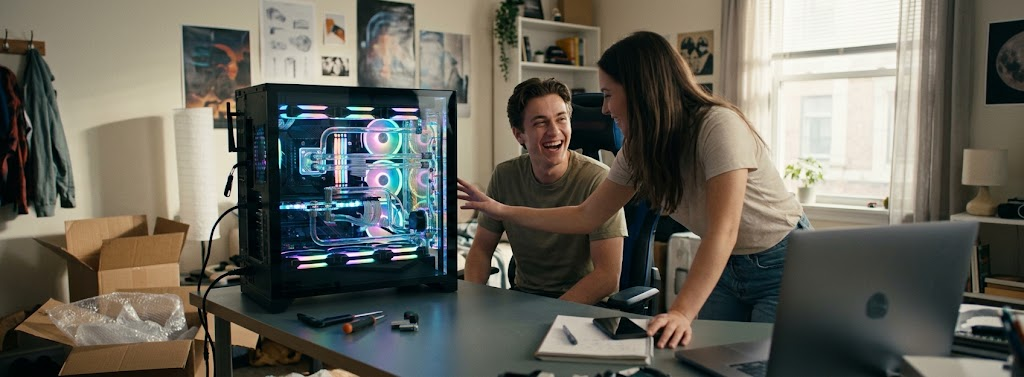
A custom liquid-cooled PC is a beast that should easily run the heaviest games for five years or more. Buying cheap components now just means paying twice when they bottleneck next year. The smart move is waiting for the big hardware drops in the fall. That is when retailers slash prices on last year's top-tier graphics cards and processors to clear shelves, giving you elite performance for way less.

We want to spread out that $2,500 cost so we do not drain our savings all at once. By using the right financing strategy, we can grab the parts when prices bottom out and pay them off slowly over time.

Keep in mind that this intro window is a strict deadline, not free money. If you still have a balance after those 18 months are up, the regular variable APR will kick in on whatever is left, which will quickly erase any savings you got from the autumn discounts.

The steps

  1. 01

    Make your parts list

    Draft your build on a compatibility site before buying anything. Focus on a high-end graphics card and processor, but do not skimp on the power supply or the liquid cooling loop. Knowing your exact parts list prevents impulse upgrades later.

  2. 02

    Time the autumn drop

    Wait until October or November when chipmakers launch their newest lineups. You do not actually want the brand-new stuff, which carries a massive early-adopter tax. Instead, buy the previous generation's flagship parts at a deep discount.

  3. 03

    Secure 18 months of breathing room

    We can use the Citi Simplicity® Credit Card to purchase the parts. It offers 0% for 18 months on purchases and balance transfers from date of account opening. This lets us buy everything during the fall sales and break the cost down into manageable chunks.

  4. 04

    Do the monthly math

    Divide the $2,500 total cost by your timeline. To wipe out the balance before any interest kicks in, you need to pay exactly $138.89 per month. Set up autopay immediately so you do not have to think about it.

  5. 05

    Build and test early

    Assemble the loop and leak-test it for 24 hours before powering on the system. If a part is dead on arrival, you want to return it within the standard 30-day store window. Do not let expensive components sit in boxes past their return policy.

  6. 06

    Check the card terms before you commit

    Every figure we publish for the Citi Simplicity® Credit Card carries the date a person verified it against Citi and a link to where they checked. Intro windows and APRs change without notice, so confirm the current terms before applying.

    See Citi Simplicity® Credit Card terms →

Common questions

Is liquid cooling actually worth it?

Yes, if you hate fan noise and want to overclock your hardware safely. It keeps temperatures low, which helps your expensive parts last years longer. Just be ready for a bit more maintenance.

Should I buy a prebuilt instead?

Prebuilts are easier, but they often use cheap motherboards and power supplies to cut corners. Building it yourself ensures every single part is high quality and makes it easier to upgrade later.

What happens if I miss a monthly payment?

You might lose your promotional rate, and you will definitely get hit with a late fee. Setting up automatic payments for at least the $138.89 minimum is the best way to prevent this.

Can I reuse parts from my old PC?

You can often save money by reusing your old PC case, storage drives, and sometimes the power supply. Just make sure the old parts are compatible with the power and size requirements of your new components.