0% intro APR for 6 months on purchases Discover it Student Chrome Calculators How we make money
VOATLAS
How to Pay for a Smart Water Leak Detector

How to · Home

How to Pay for a Smart Water Leak Detector

Protect your home from water damage by spreading the cost of a smart shut-off system over fifteen months.

Typical cost $300 before anything else
Across the 0% window $20.00/mo 15 months, no interest

How we got that: $300 spread evenly across the 15-month introductory window on the Discover it® Cash Back. Checked · at the bank Carry a balance past the window and the standard APR applies to what is left.

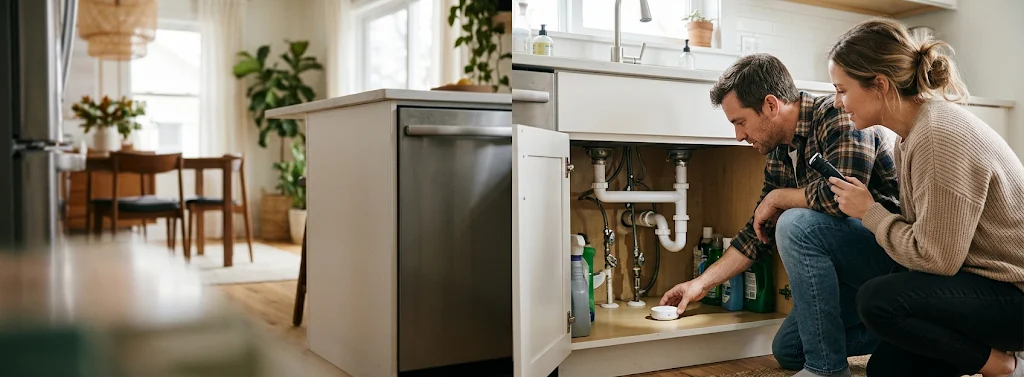
A burst pipe can ruin your floors in minutes. A smart leak detection system watches your plumbing and can automatically shut off your water main if it senses a drip. It takes about an hour to set up the sensors, but the protection lasts for years. You should look for deals during spring home improvement sales or late November when these gadgets often go on sale.

We can time this purchase to avoid high upfront costs. By using the Discover it® Cash Back (Discover), you get a 0% intro APR for 15 months on purchases and balance transfers. This gives us over a year to pay off the hardware without adding interest to the total.

The intro period is a firm deadline. If you still have a balance when the 15 months are up, the standard interest rate will apply to the remaining amount. It is not free money, so make sure you hit that $20.00 monthly goal to finish on time.

The steps

  1. 01

    Watch for seasonal sales

    Big box stores usually drop prices on smart home tech during Memorial Day or Black Friday. Look for a kit that includes the automatic shut-off valve and at least three sensors. Buying the bundle is almost always cheaper than buying parts separately.

  2. 02

    Compare two installation quotes

    Placing sensors is a DIY job, but the shut-off valve connects to your main water line. Call two local plumbers for a quote on a simple valve install. It should only take them about an hour, so don't let them overcharge you for a full day of labor.

  3. 03

    Split the payments

    Pay for the system using the Discover it® Cash Back (Discover). With the 0% intro APR for 15 months on purchases and balance transfers, you can pay $20.00 a month to cover a $300 system. This keeps your cash in your pocket while protecting your house.

  4. 04

    Call your insurance agent

    Many homeowners insurance companies give you a discount for having an active leak detection system. Tell them the specific model you bought. The discount might pay for the device itself over a few years.

  5. 05

    Run a monthly test

    Place a damp cloth on one of your sensors once a month to make sure the system still triggers. You want to know the valve actually closes before an actual emergency happens. Check the app to ensure all sensors have fresh batteries.

  6. 06

    Check the card terms before you commit

    Every figure we publish for the Discover it® Cash Back carries the date a person verified it against Discover and a link to where they checked. Intro windows and APRs change without notice, so confirm the current terms before applying.

    See Discover it® Cash Back terms →

Common questions

Is a smart leak detector actually worth it?

Water damage is one of the most common home insurance claims. Spending $300 now is much cheaper than paying a $1,000 deductible and dealing with mold after a leak.

Can I install the valve myself?

Unless you are comfortable cutting copper or PEX pipe, hire a pro. If you mess up the main shut-off, you will have a very bad day. The sensors, however, just sit on the floor.

What happens if my Wi-Fi goes down?

Most quality systems use a local connection between the sensors and the valve. They should still shut off the water even if your internet is out, though you might not get the phone alert until the web is back up.

Where should I put the sensors?

Put them in high-risk spots like under the kitchen sink, behind the washing machine, and next to the water heater. These are the places where slow drips usually start and go unnoticed for weeks.