0% for 12 months on purchases and 0% for 21 m… Citi® Diamond Preferred® Credit Card Calculators How we make money
VOATLAS
How to Pay for Winter Snow Tires

How to · Auto

How to Pay for Winter Snow Tires

Get through the snow safely and spread out the cost of a new set of tires without getting trapped by high interest.

Typical cost $950 before anything else
Across the 0% window $63.33/mo 15 months, no interest

How we got that: $950 spread evenly across the 15-month introductory window on the Discover it® Cash Back. Checked · at the bank Carry a balance past the window and the standard APR applies to what is left.

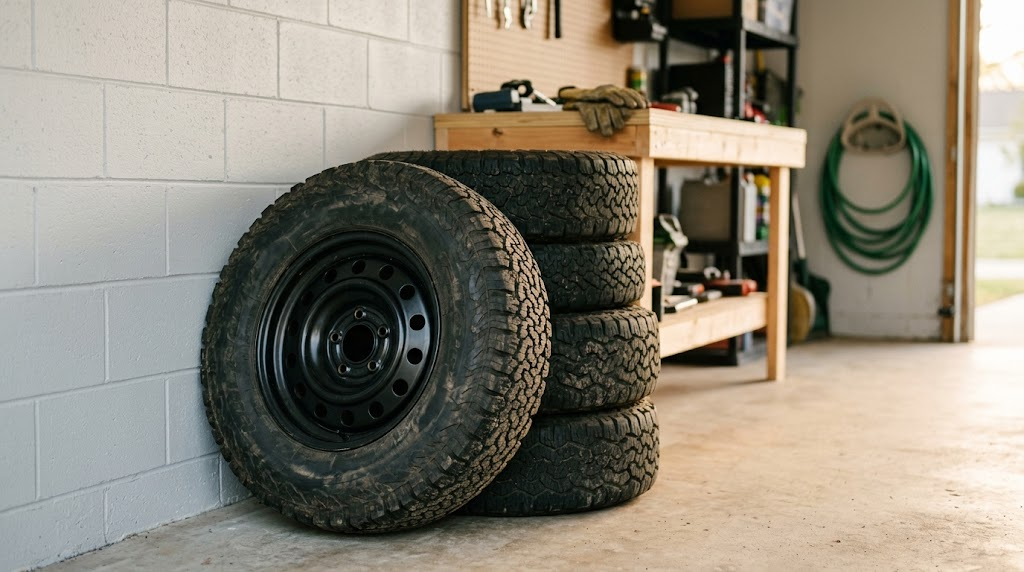
Driving in winter on bald all-season rubber is a gamble we shouldn't take, but a dedicated set of snow tires on steel wheels takes the bite out of icy commutes. Running a car gets expensive fast when you add up maintenance, gas, and seasonal swaps, which is why timing matters. Buying in early fall before the first local freeze means shops have stock and you aren't fighting the panic rush when the first storm hits.

We can separate how we negotiate the price from how we pay for it, because a card window is for managing cash flow, not a substitute for a discount. Walk into the shop or check online before the temperature drops, nail down the mounting and balancing fees, and get the best price on the rubber first.

That intro window is a firm deadline, not free money, so treat your monthly payment like a utility bill. If any part of that $950 balance is still sitting there when the 15 months run out, standard interest will hit the whole original amount.

The steps

  1. 01

    Pick the right tire size

    Check the placard on your driver-side door jamb for the exact factory tire and wheel specs. Going down a size for winter sometimes saves money on both the rubber and the steel wheels, but make sure the clearance clears your brakes.

  2. 02

    Get quotes before the freeze

    Call local independent tire shops and big box stores in early fall to compare out-the-door pricing. Ask if mounting, balancing, and valve stems are included in the quote so you don't get hit with surprise fees at the register.

  3. 03

    Use your card window

    Put the $950 purchase on your Discover it® Cash Back to use the 0% intro APR for 15 months on purchases and balance transfers. This gives you time to pay for the setup without piling on extra interest charges.

  4. 04

    Set up a monthly payment plan

    Divide the total cost by the time you have so you don't leave a big balance for the end. Spreading $950 across the 15-month window means paying $63.33 per month to wipe it out completely before standard rates kick in.

  5. 05

    Book the installation early

    Schedule your swap appointment a week or two before the local forecast turns to snow. Waiting until the first flakes fall means losing half a day waiting in a lobby with everyone else who waited.

  6. 06

    Check the card terms before you commit

    Every figure we publish for the Discover it® Cash Back carries the date a person verified it against Discover and a link to where they checked. Intro windows and APRs change without notice, so confirm the current terms before applying.

    See Discover it® Cash Back terms →

Common questions

Are steel wheels really better than alloy for winter?

Steel wheels are heavier, cheaper to replace, and much harder to crack when you slide into a hidden pothole under the snow. They might not look as sharp as your factory alloys, but they take a beating much better during sloppy winter months.

Should I buy tire pressure sensors for the new wheels?

Yes, adding a second set of tire pressure monitoring sensors to your steel wheels keeps your dashboard warning light off all winter. Buying them upfront saves you the hassle of paying a shop to break down the tires later just to install them.

What happens after the 15 months are up?

The 0% intro APR for 15 months on purchases and balance transfers ends, and any remaining balance starts accruing interest at the standard rate. Make sure your automated payments are set high enough to finish paying off the tires well before that date.

Can I store my all-season tires at home?

Stack them flat or use wall mounts in a cool, dry garage or basement away from direct sunlight. Slap a heavy-duty trash bag over each one to keep dust off and preserve the rubber compound until spring.